Search
What would you like to search for?

At this year’s UN Convention on Biological Diversity COP16, a landmark agreement was passed to formally recognise and strengthen the role of indigenous peoples and local communities in global biodiversity efforts. This agreement acknowledges the importance of integrating their traditional knowledge and rights into conservation strategies, emphasising that these communities are not just stakeholders, but indispensable guardians in the fight to preserve some of the planet’s most critical ecosystems. With long-standing connections to the land that span generations, they hold the key to protecting the world’s most vulnerable species and habitats.
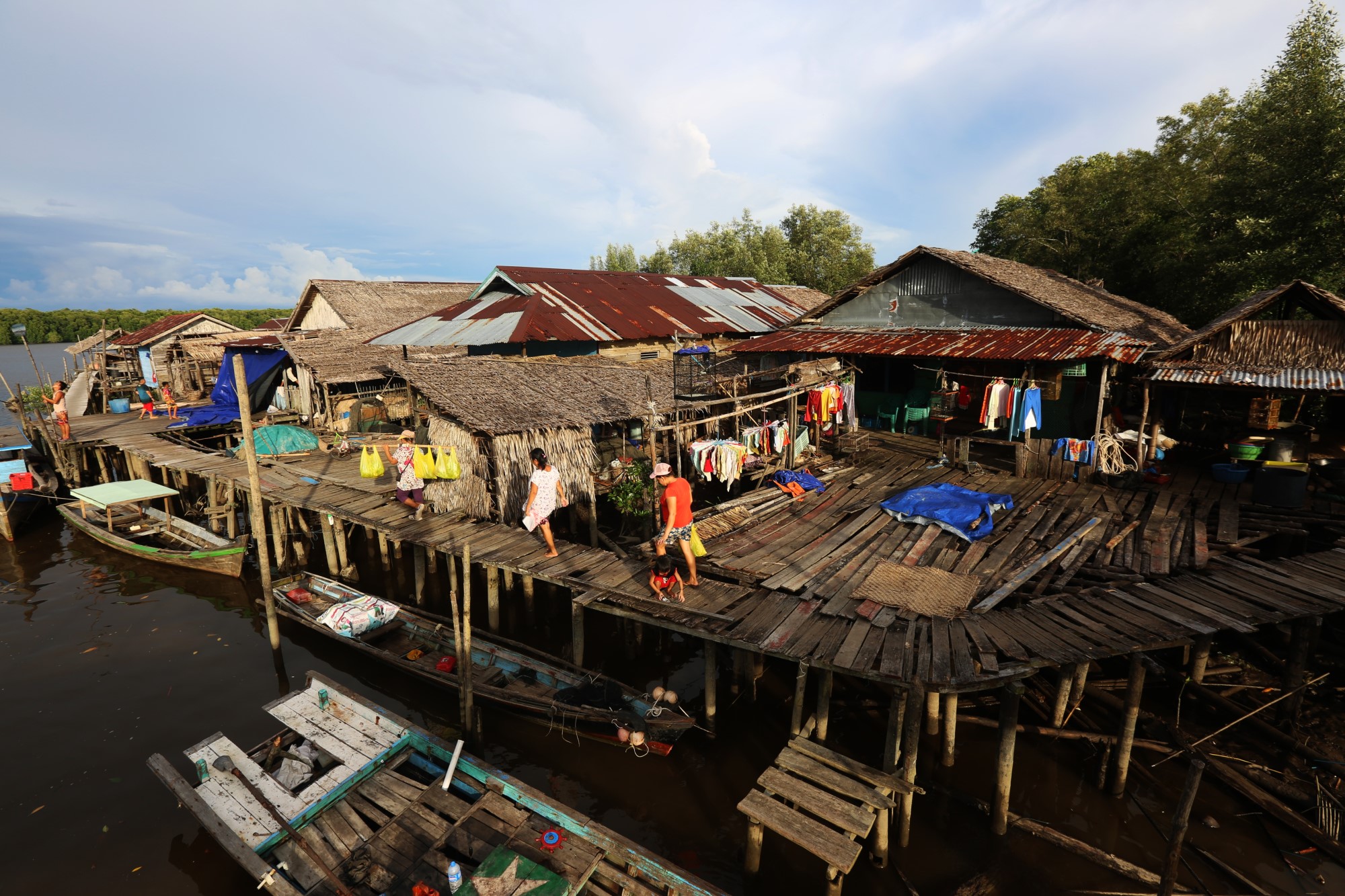
For many indigenous and local communities, their relationship with nature is not just cultural – it’s foundational to their existence. From forests, mangroves, oceans and other natural ecosystems, these communities have long relied on nature for food, medicine, cultural practices and livelihoods. The health of these ecosystems is intertwined with their survival, and their ability to preserve this balance is a critical force for global conservation. For example, the Dayak people of Borneo have traditionally practiced land cultivation, depending on forest products for food, medicine, and fibre. Similarly, coastal villages throughout Southeast Asia rely on sustainable small-scale fishing, maintaining a harmonious balance with the oceans that sustains both their food and income.
Fishing village in Indonesia
Many local and indigenous communities possess extensive, time-tested knowledge of the land and its biodiversity passed down through generations. This traditional wisdom offers invaluable insights key to protecting endemic flora and fauna, and ecosystems that might otherwise go unnoticed by scientists and conservationists.
Take the Critically Endangered Philippine eagle, a national treasure in the Philippines, as an example. With 80 per cent of its population found within the ancestral lands of indigenous groups, these lands are considered sacred which must be protected. Thanks to this deep-rooted connection, indigenous communities have become key protectors of this majestic species.

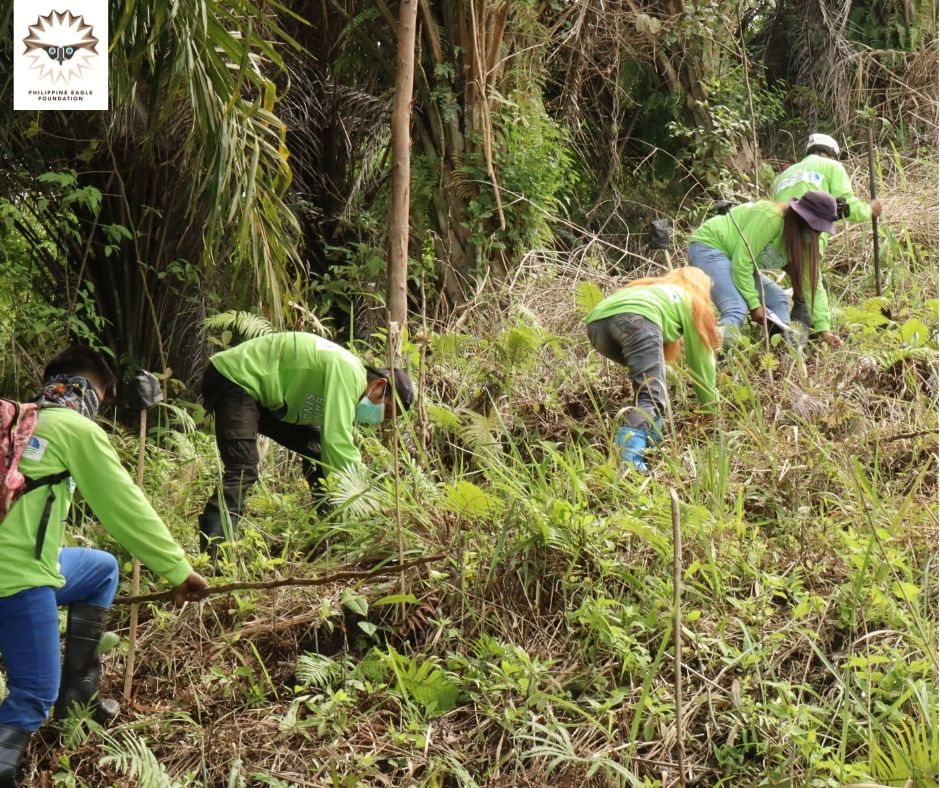
Recognising the significance of this, our long-time conservation partner, the Philippine Eagle Foundation (PEF), launched the Saving Cultures, Rivers and Endangered Biodiversity within Indigenous Territories through Nature-based Solutions (SACRED-NBS) initiative in November 2023. The programme works directly with indigenous people organisations like the Guilang-guilang Apo Datu Nanikunan Association (GADNAI) to protect nesting sites and promote sustainable practices such as regenerative agroforestry.
Empowering local communities to play an active role in conservation not only protects biodiversity but also uplifts these communities. Providing them with the skills, resources to protect the natural habitats enables them to become self-reliant stewards of their land.
Mandai Nature is proud to support a number of various non-government organisations dedicated to helping local communities to thrive through sustainable, long-term solutions. One example is the work in Sumatra, Indonesia, where a consortium of organisations is working to restore the 2.6-million-hectare Leuser ecosystem. This biodiverse landscape is the last remaining forest where megafauna like Sumatran orangutans, rhinoceros, elephants and tigers still roam together in the wild.
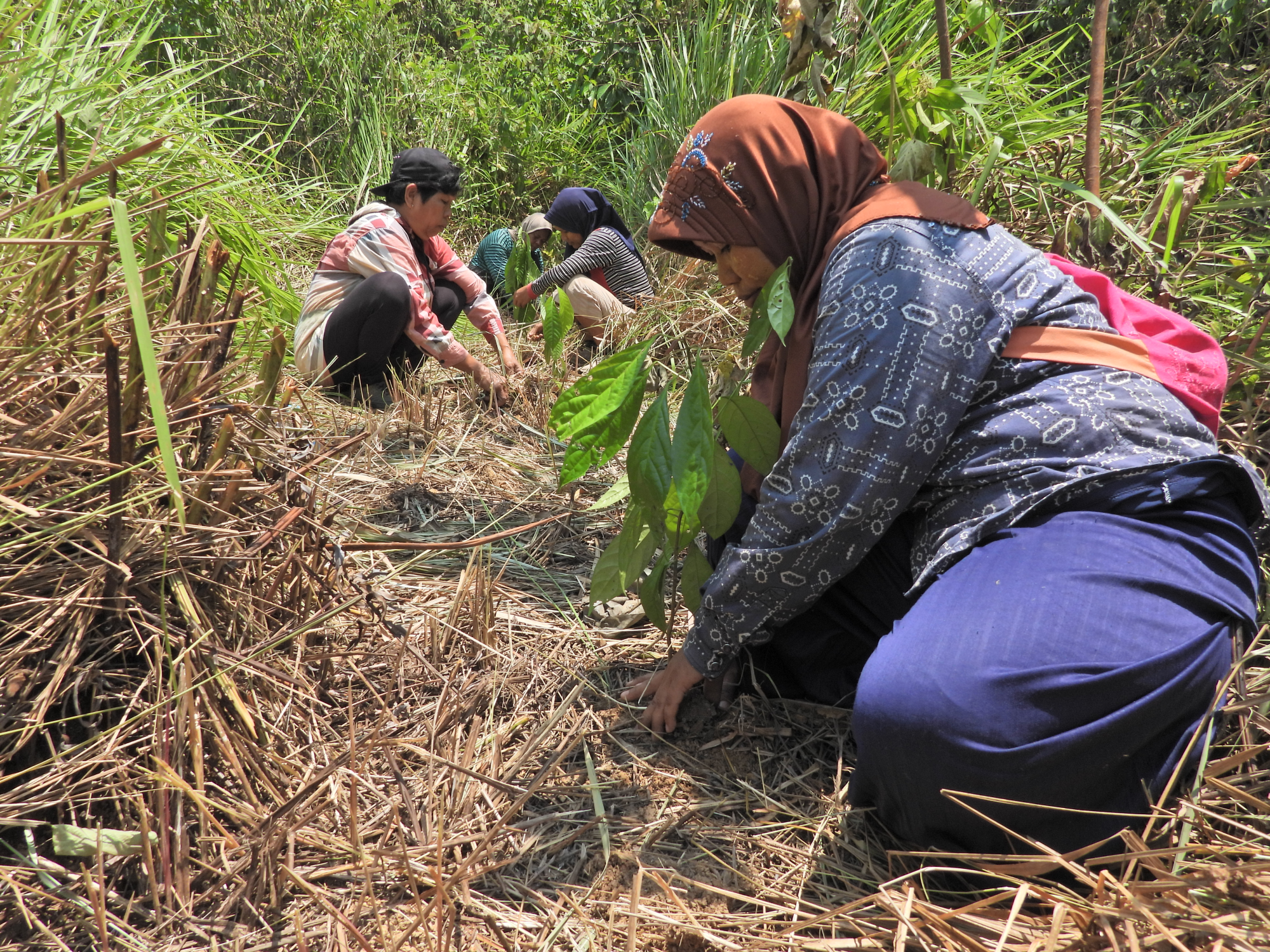
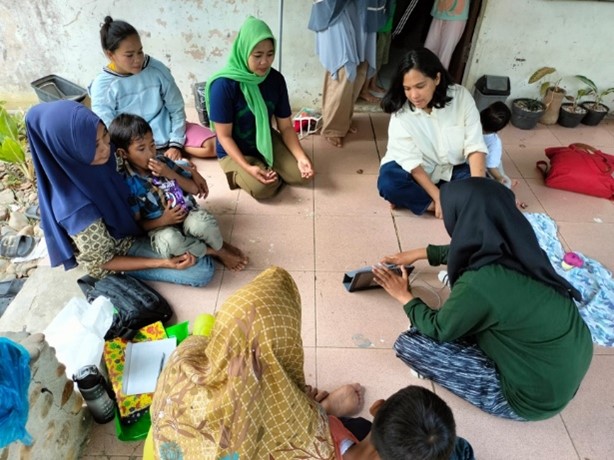
In Bukit Mas village, local women’s groups have planted over 22,000 seedlings, helping to restore and replace dead trees with 3,750 new seedlings in Gunung Leuser National Park. These women have also participated in training programmes to develop and sell local products like rosella and essential oils on e-commerce platforms, enhancing their livelihood security while supporting sustainable land management.
In addition to bolstering community resilience, involving local communities brings significant economic benefits. By creating jobs within protected areas and generating income through sales of sustainable products, these initiatives benefit both the natural environment and the communities that depend on it.
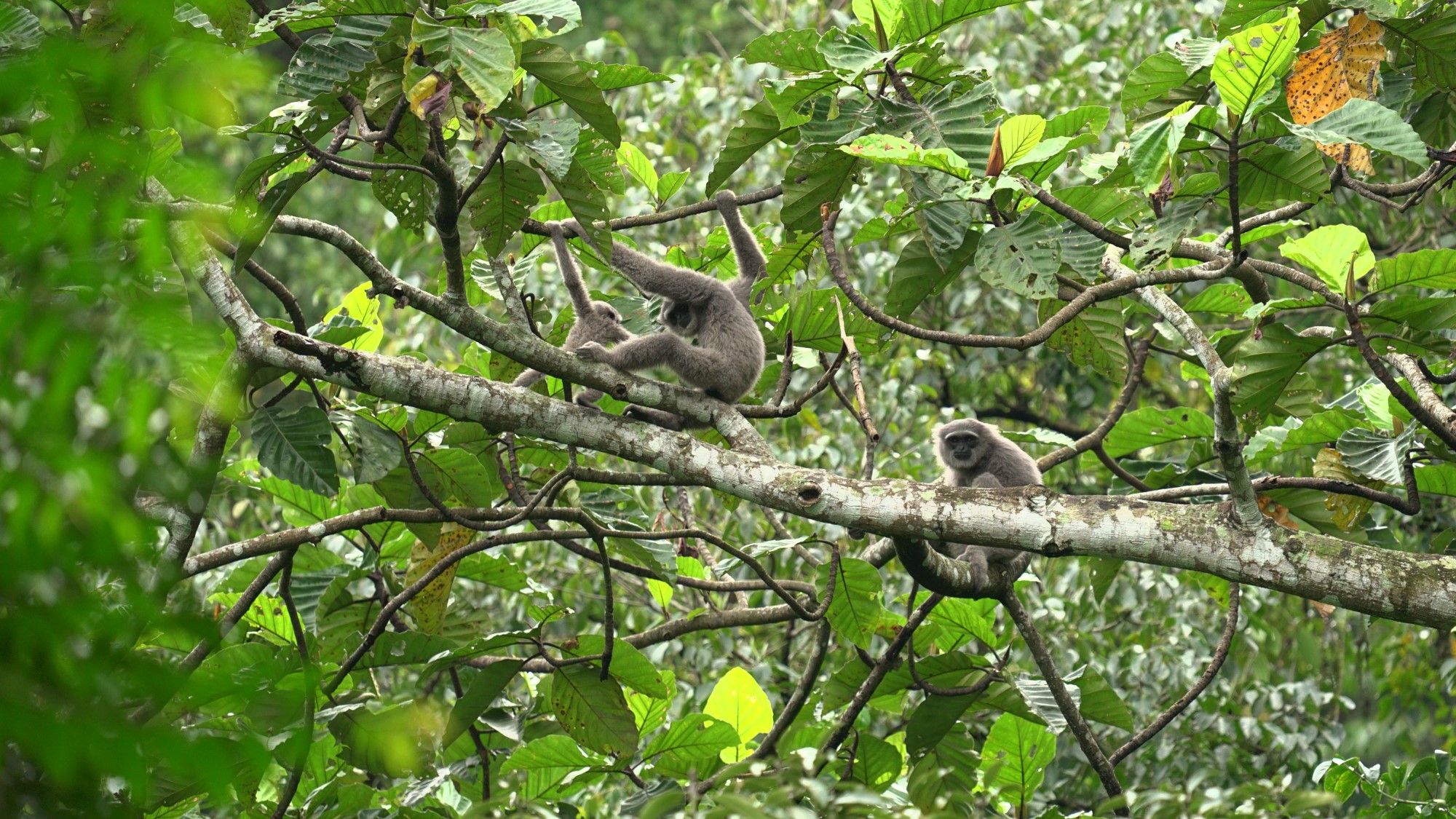
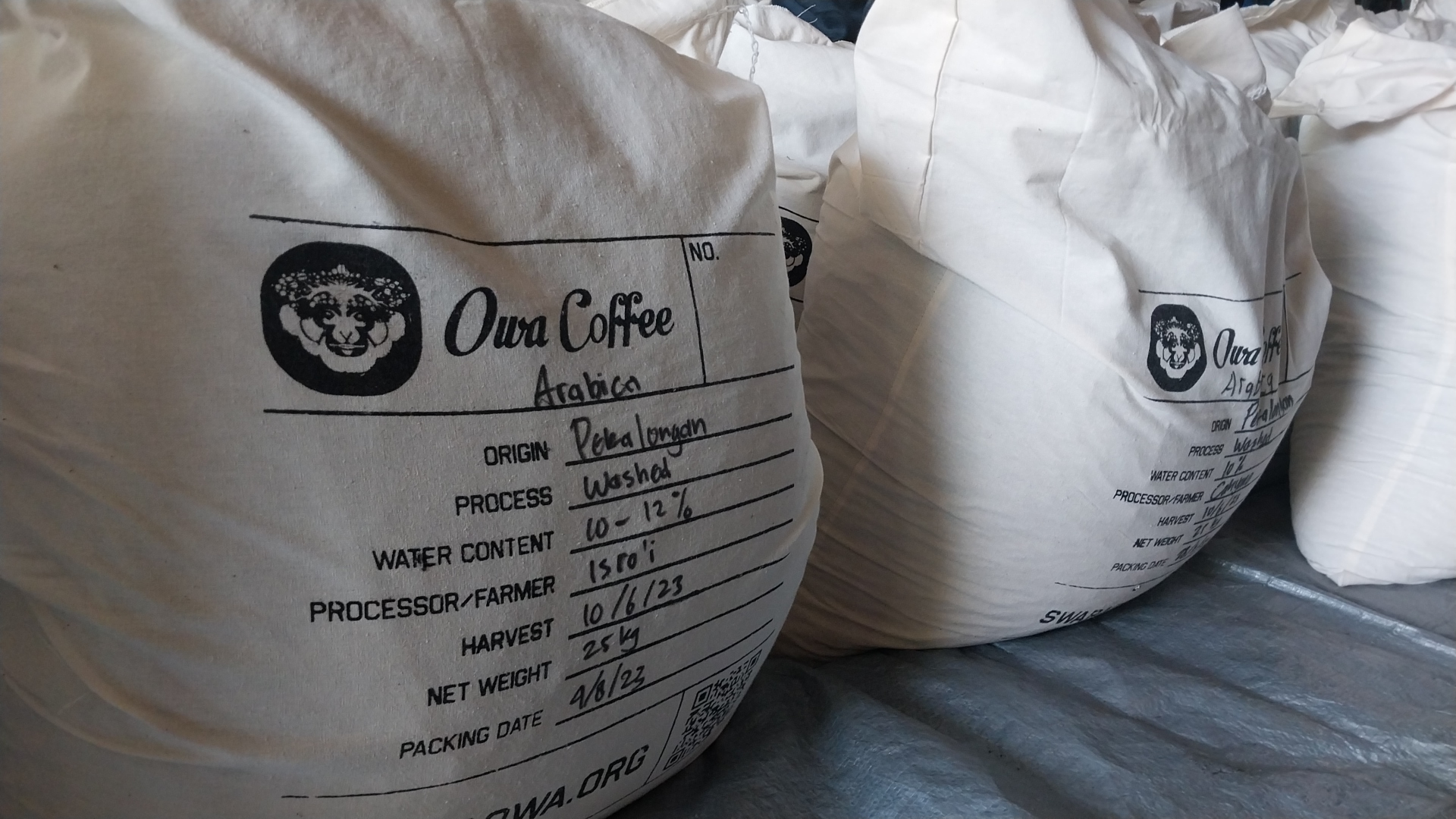
The Coffee and Primate Conservation Project (CPCP), led by our conservation partner SwaraOwa in Central Java, is an excellent example of this approach. This initiative focuses on delivering multiple benefits for species, habitats and communities through the cultivation of wildlife-friendly shade-grown coffee. The programme has been instrumental in protecting populations of the Critically Endangered Javan Gibbon and its habitats, while providing a sustainable source of income for more than 25 families in the Pekalongan region.
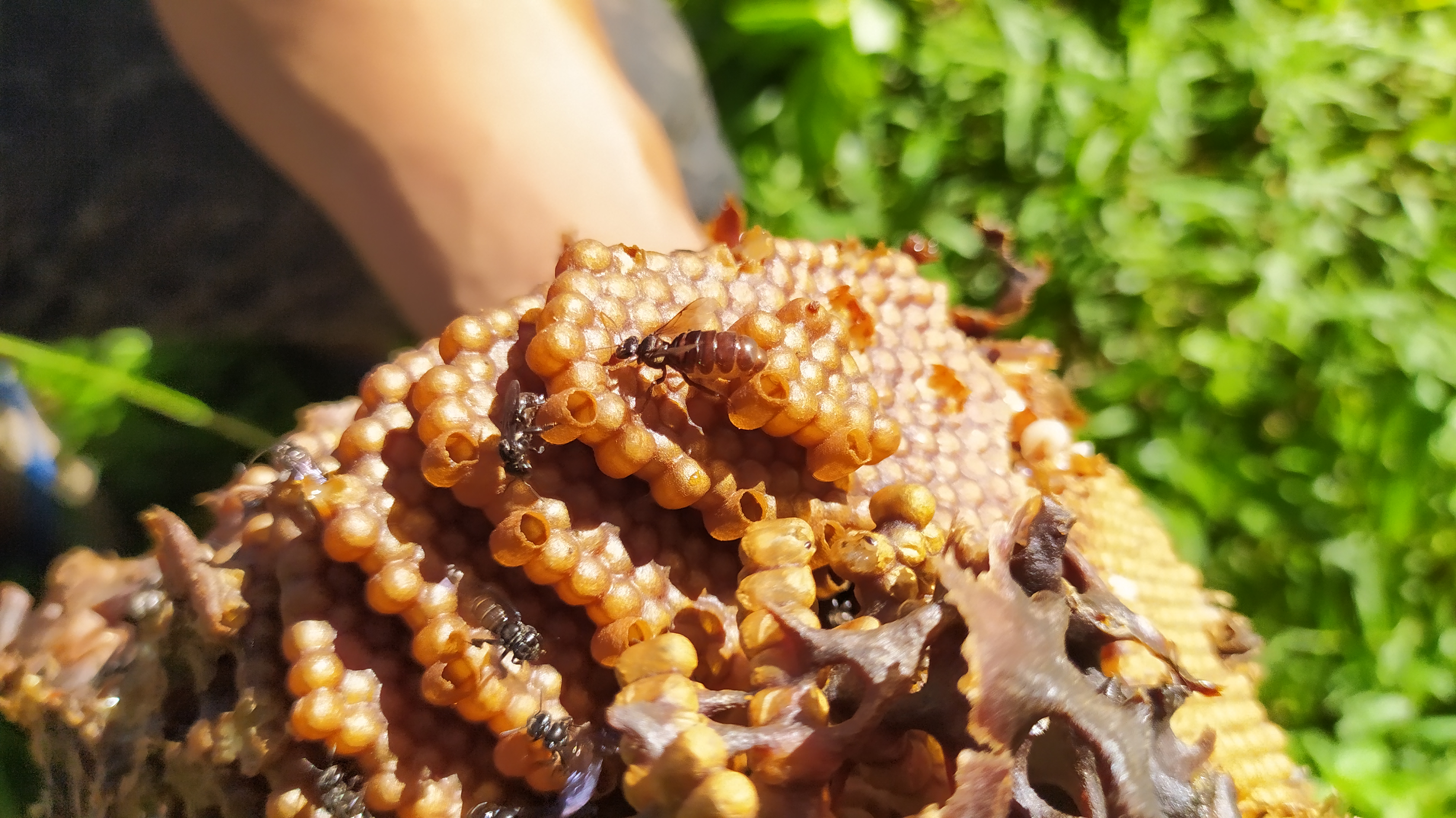
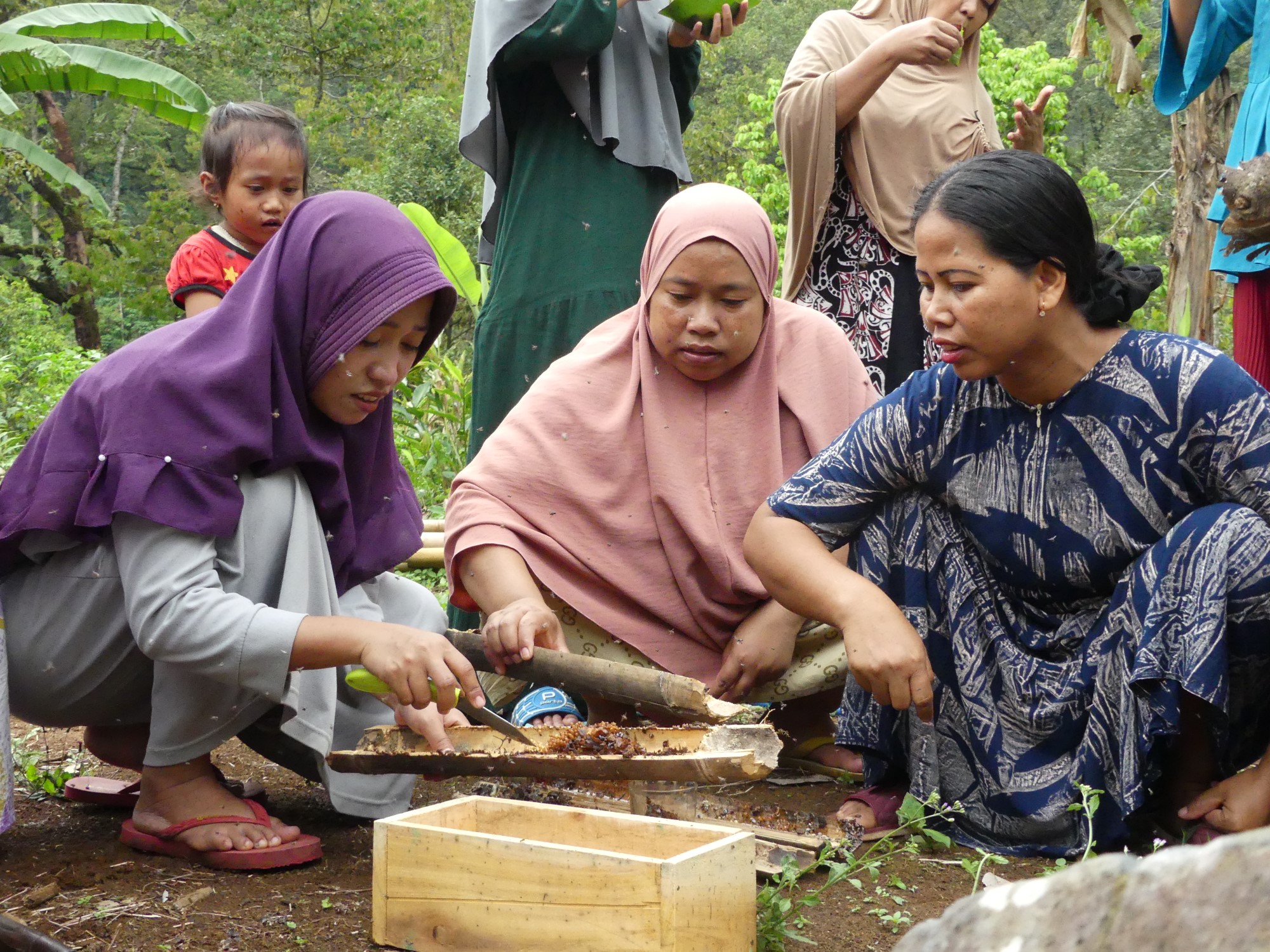
CPCP has also expanded its community initiatives to other forms of agro-forest friendly farming, such as the cultivation of stingless bees in villages such as Mendolo and Setiplis. The honey and wax produced by these bees are crafted into candles and hair products, providing an additional income source for these families. Moreover, beekeeping offers nutritional benefits and serves as an educational tool, helping families share the importance of protecting the forests and its biodiversity.
Ultimately, the path to successful conservation requires a collaborative approach. As demonstrated at COP16, the recognition of indigenous and local communities as essential conservation partners marks a significant step forward. The future of our planet depends on the combined efforts of local communities, conservationists, governments, and organisations. By working alongside local guardians of the land, we can ensure that conservation efforts are deeply rooted in local knowledge and cultural respect, safeguarding our natural resources for generations to come.