Search
What would you like to search for?

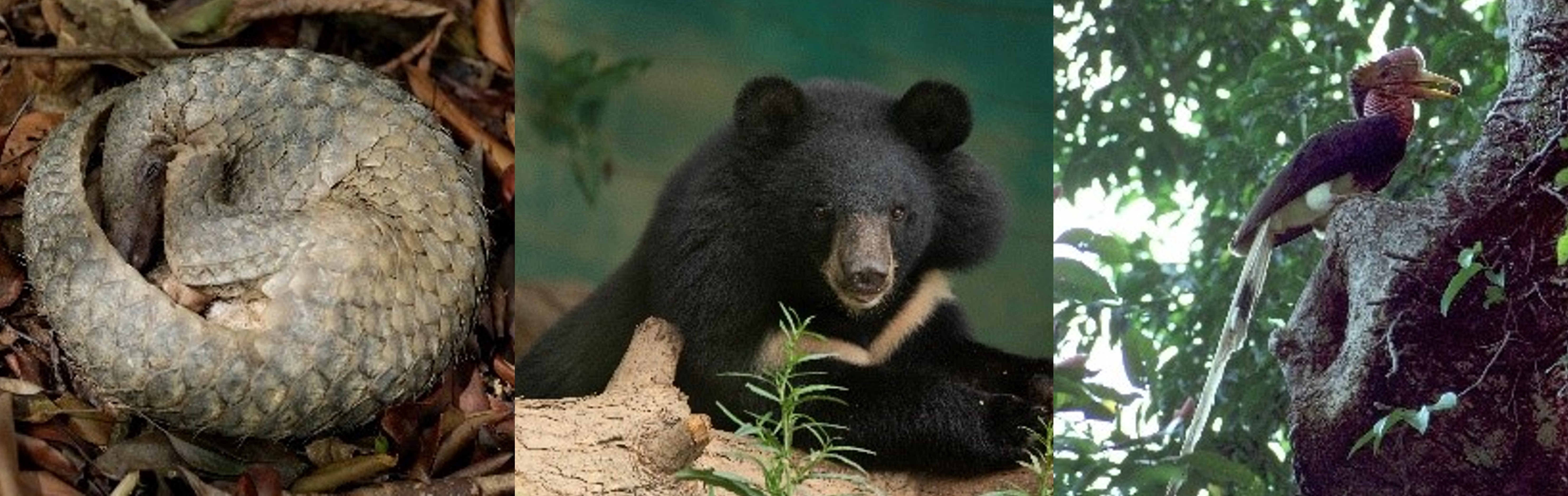
Southeast Asia boasts extraordinary biodiversity, hosting four of the planet's 25 critical biodiversity hotspots - Indo-Burma, Sundaland, the Philippines, and Wallacea. Remarkably, a significant chunk of wildlife here exists nowhere else on Earth, making them truly unique.
Yet, this ecological marvel faces a grim reality. The region is a major epicentre for the illicit wildlife trade, a market estimated to be worth between $8 and $10 billion. According to an Organisation for Economic Co-operation and Development (OECD) report, Southeast Asia accounts for up to a quarter of global demand for illegal wildlife products, acting as both a source and transit hub for international wildlife trafficking. Traditional medicine, exotic delicacies, and cultural practices are some of the drivers behind this surge, with the digital realm exacerbating the challenges.
The repercussions are devastating. High demand for pangolin scales has contributed to a decline of up to 90% of pangolin populations, with the Chinese Pangolin and Sunda Pangolin now considered Critically Endangered on the IUCN Red List. Asiatic Black Bears and Sun Bears which are native to Southeast Asia are illegally captured for their bile, and often kept in squalid conditions. From 2010 to 2019, more than 3,000 Critically Endangered Helmeted Hornbill parts and products were seized in Asia, with online platforms and markets in the region making it easier to offer Helmeted Hornbill products illegally.
In response, a global alliance is rallying. International bodies and governments are pooling resources to counteract this nefarious trade in the region.
Stalwarts like TRAFFIC and FLIGHT work on the ground with local authorities to raise awareness, improve law enforcement, influence regulation, as well as support the rescue, rehabilitation and release efforts of illegally captured wildlife. These are also partners that Mandai Nature works closely with in the region. In particular, we have been supporting efforts to tackle the illegal and unsustainable bird trade, which continues to thrive across Southeast Asia due to high demand driven by long-standing traditions of songbird-keeping.
TRAFFIC, a leading global wildlife trade monitoring network, has been conducting research and monitoring into the trade of threatened species in the region. In December 2021, TRAFFIC Southeast Asia released Trading Faces, a report on the online pet trade in Singapore which resulted in Facebook and Singapore's National Parks Board acting on information from the study, closing online groups and removing posts on illegal wildlife trade activity. As part of our partnership with TRAFFIC, Mandai Nature also hosts the IUCN SSC Asian Songbird Trade Specialist Group (ASTSG), the first conservation body dedicated to addressing songbird conservation issues in the region.
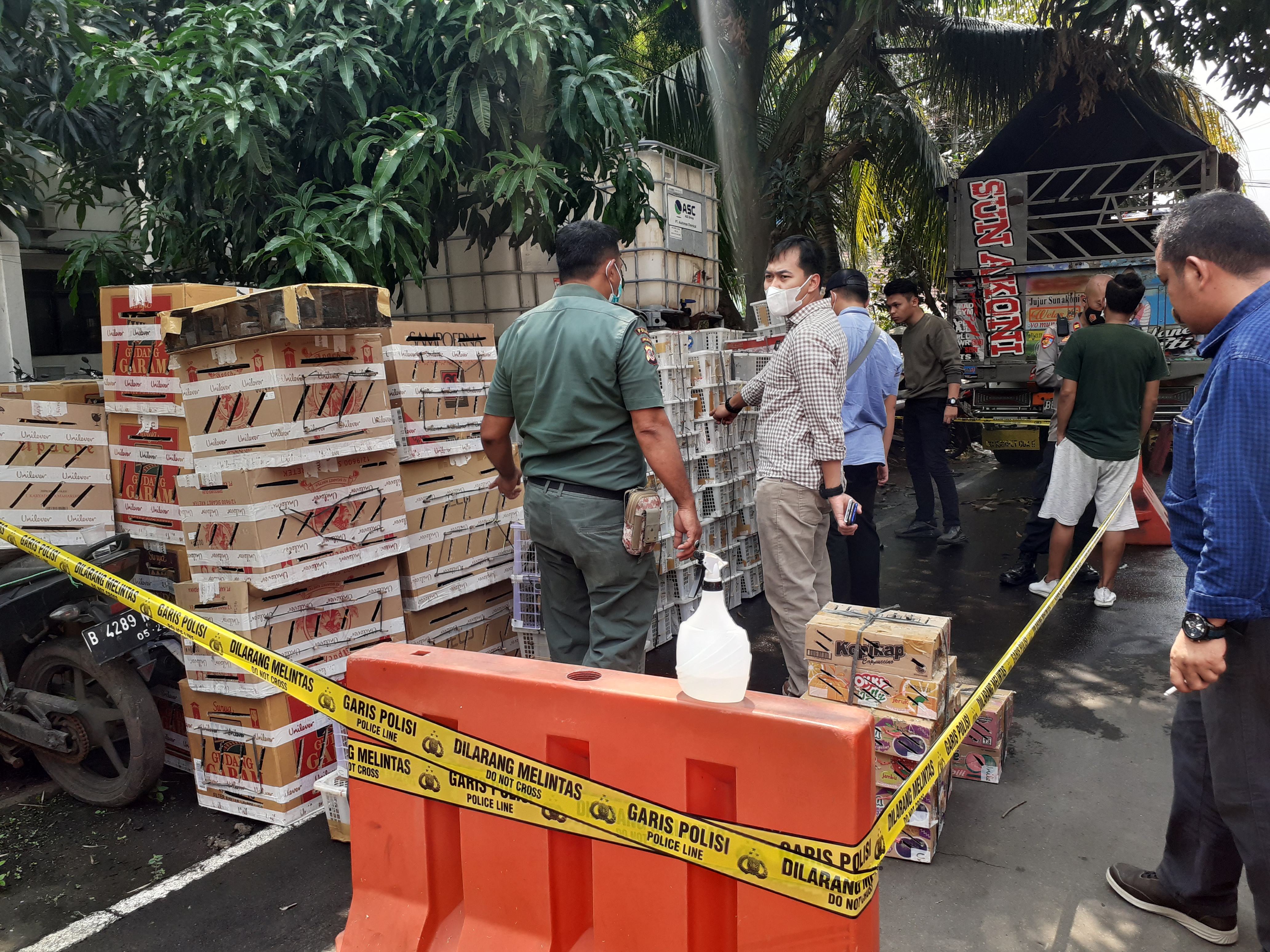
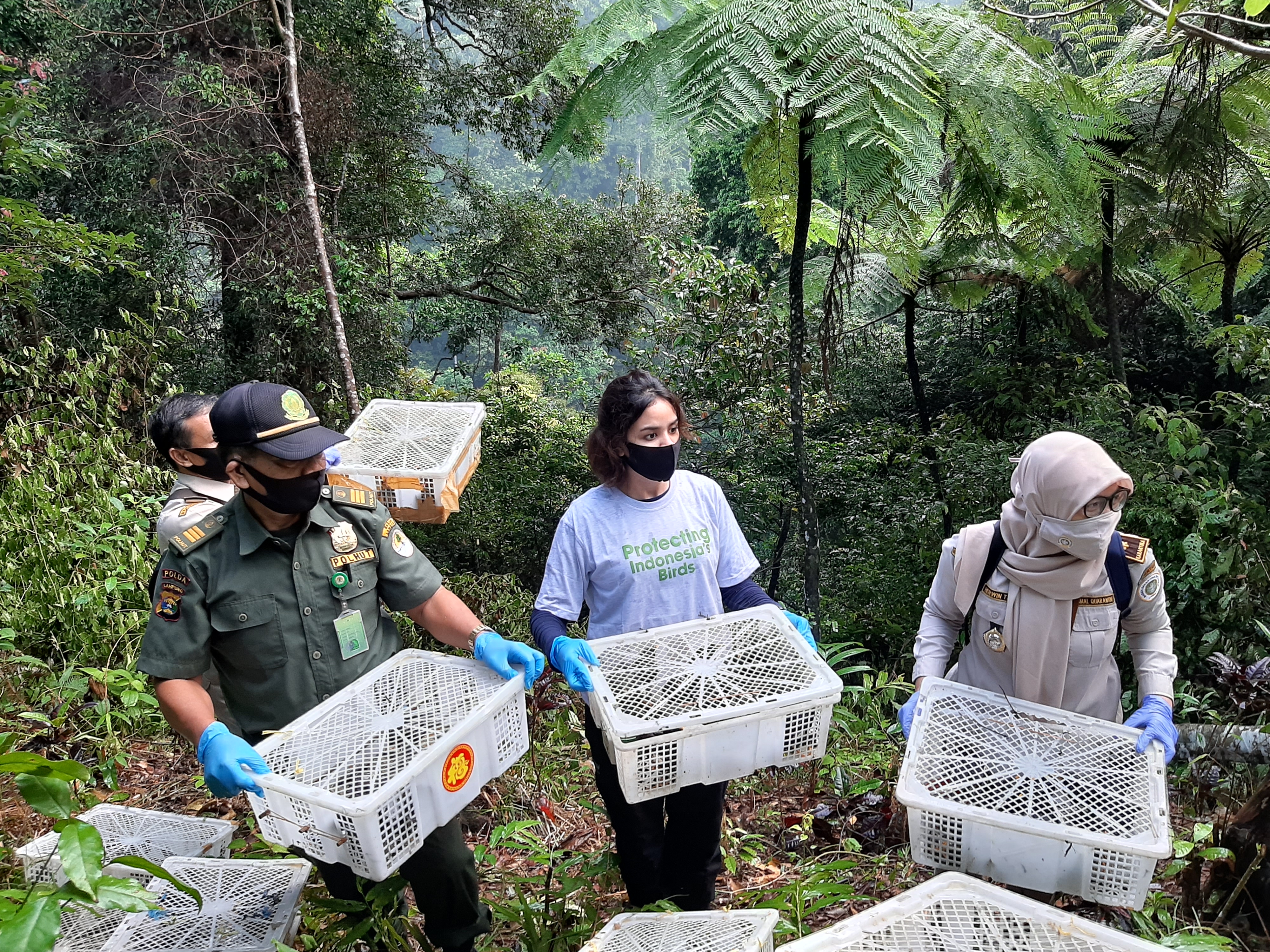
Concurrently, FLIGHT, an Indonesia-based NGO, has made remarkable strides working with local governments to intercept shipments of smuggled birds and other wildlife at various ports in Indonesia. Since its establishment in 2018, FLIGHT has rescued more than 180,000 live songbirds bound for the illegal trade, as well as other species including eagles, crocodiles, slow lorises and langurs.
Legislation and policy are pivotal in safeguarding biodiversity. International treaties like the Convention on International Trade in Endangered Species of Wild Fauna and Flora (CITES) regulates and monitors the international trade in wild animals and plants to ensure their survival is not threatened. Established in 1973, it is considered one of the most critical agreements for the conservation of biodiversity.
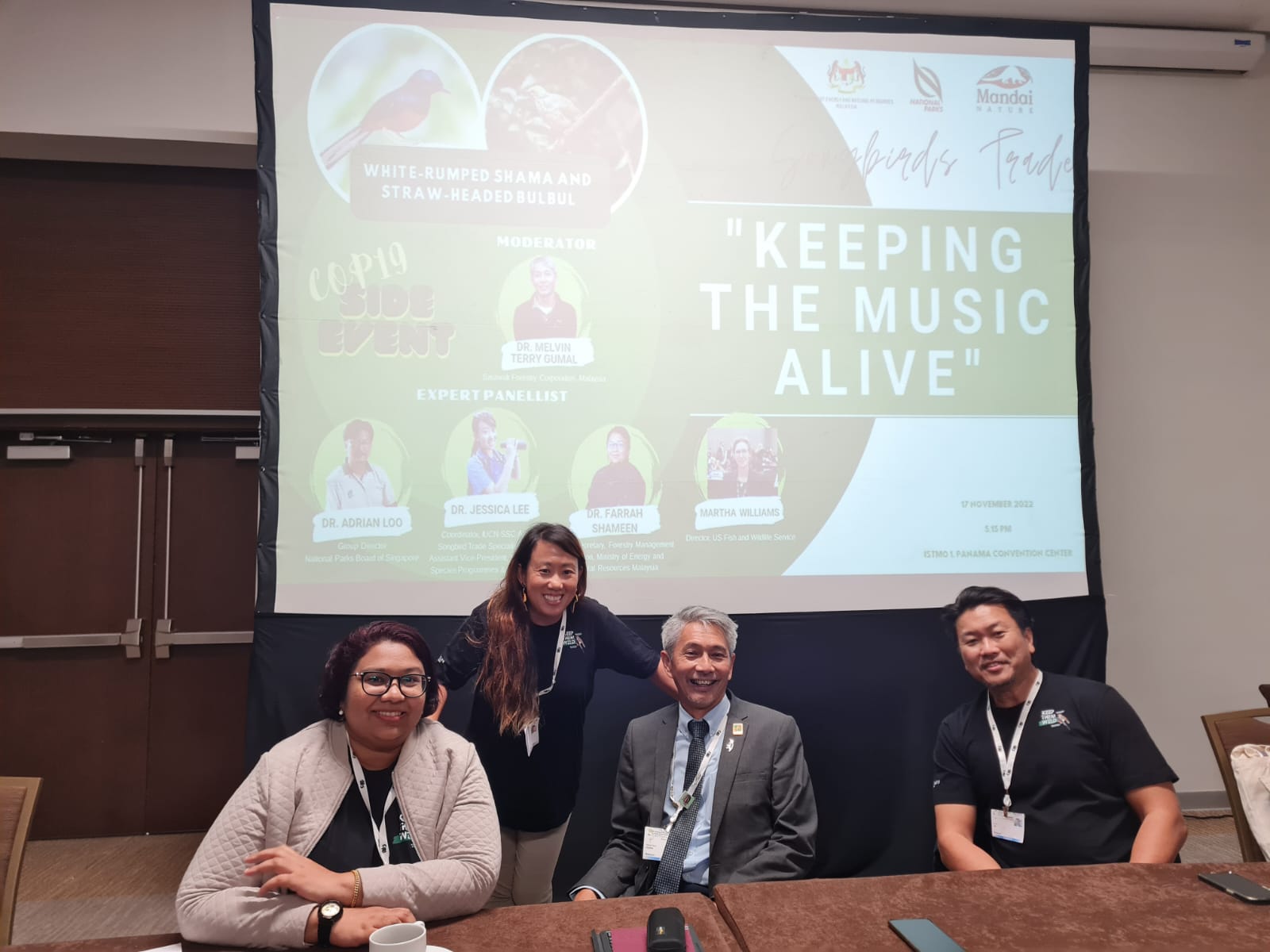
Dr Jessica Lee, Head of Avian Programmes and Partnerships at Mandai Nature, with the Singapore delegation led by National Parks Board Singapore at CITES COP19 in November 2022 at a CITES side event, "Keeping the Music Alive".
In Novermber 2022, participating countries at CITES COP19 collectively agreed to the uplisting of two Asian songbirds, allowing them to receive more protection against international trade. The Critically Endangered Straw-headed Bulbul saw its status elevated from Appendix II to I. This was the first time representatives from Singapore, Malaysia and the US put forth a joint proposal for the Straw-headed Bulbul. Similarly, the White-rumped Shama was successfully included in Appendix II, with Singapore and Malaysia jointly championing the inclusion of the White-rumped Shama in CITES.
At this year's United for Wildlife global summit held in Singapore, global leaders from conservation, law enforcement, government and private sector players from various industries united in a pledge to end illegal wildlife trade. In his keynote speech, His Royal Highness Prince William announced that United for Wildlife will partner with Mandai Nature to build its ongoing work for the organisation's Southeast Asia chapter.
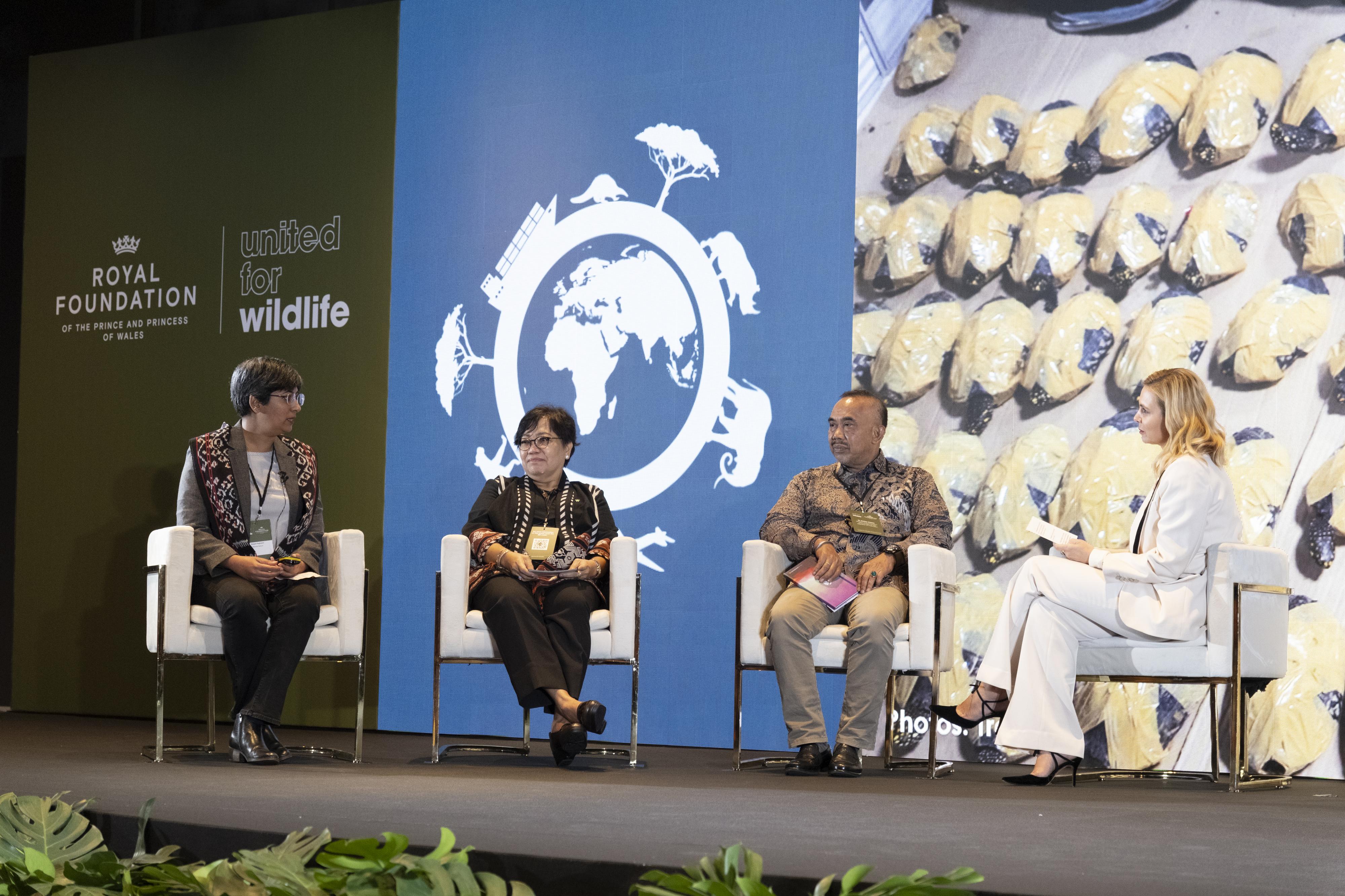
Conservation efforts for the Rote Snake-necked Turtle were spotlighted during a panel session featuring Roopali Raghavan, Head of Terrestrial Species and Conservation Planning at Mandai Nature, and representatives from the Ministry of Environment and Forestry, Republic of Indonesia, and Wildlife Conservation Society - Indonesia Program, during United for Wildlife's global summit in 2023. Photo: United for Wildlife
While the road ahead continues to present challenges, the collaborative efforts between conservation organisations, government and private sector stakeholders is catalysing transformative action. These partnerships have set in motion positive changes to enhance law enforcement, strengthen legal frameworks, and empower communities to protect biodiversity long threatened by wildlife crime. To break the chain of wildlife trade, a unified approach is crucial: valuing wildlife, collaborating across sectors, sharing resources and expertise, and protecting natural habitats. Only through these concerted efforts can we ensure that wildlife continues to thrive.