Search
What would you like to search for?

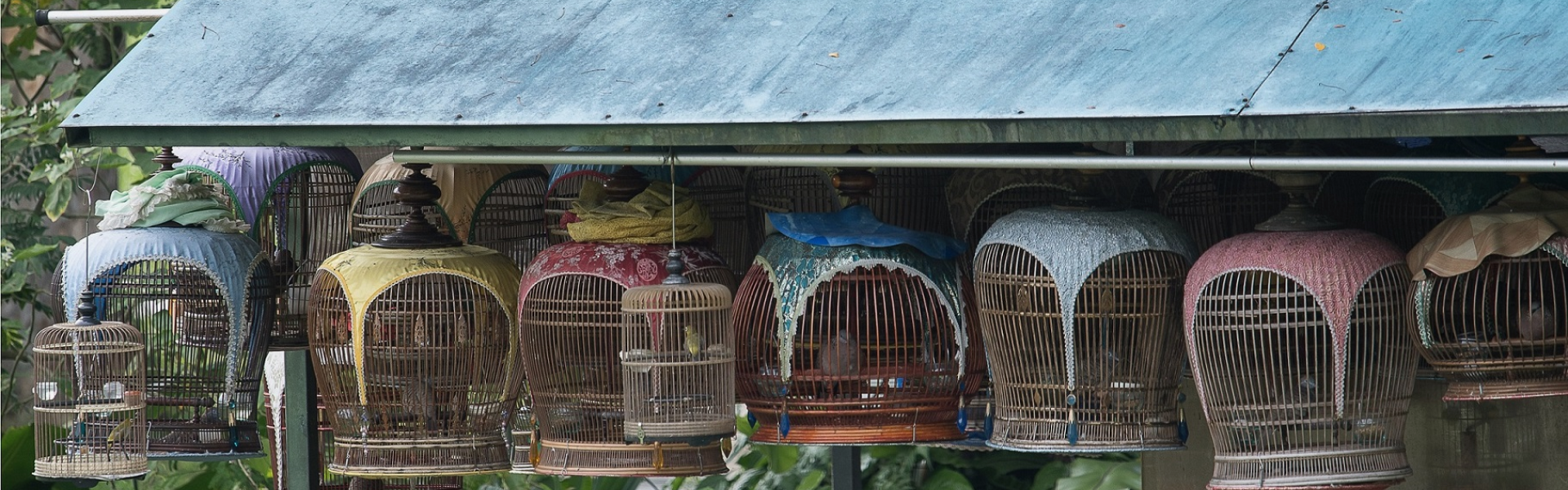



Mandai Nature has been working with TRAFFIC, a leading global wildlife trade monitoring network, to tackle the growing threat of wildlife trafficking in Southeast Asia. TRAFFIC Southeast Asia works closely with authorities and law enforcement agencies. While the increasing interventions to thwart wildlife trafficking attempts have been promising, international demand for many threatened Southeast Asian species remains high.
Mandai Nature works closely with TRAFFIC Southeast Asia to support research and monitoring of illegal trade in songbirds in Asia.
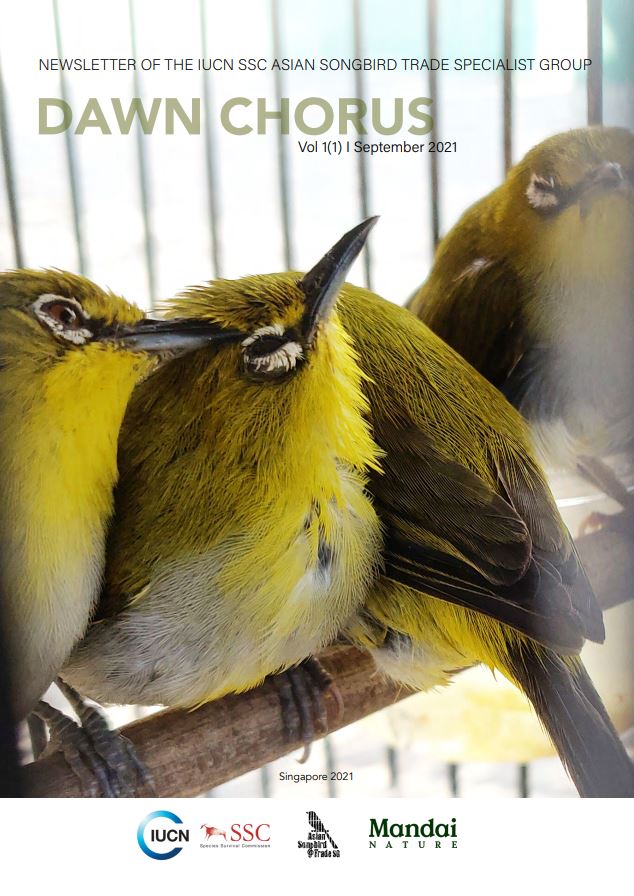
The development of the IUCN SSC Asian Songbird Trade Specialist Group (ASTSG) has allowed for evidence-based trade research on songbirds and the online bird trade in Singapore. In 2021, ASTSG published its first report and newsletter, Dawn Chorus , providing updates on songbird conservation efforts by its members.
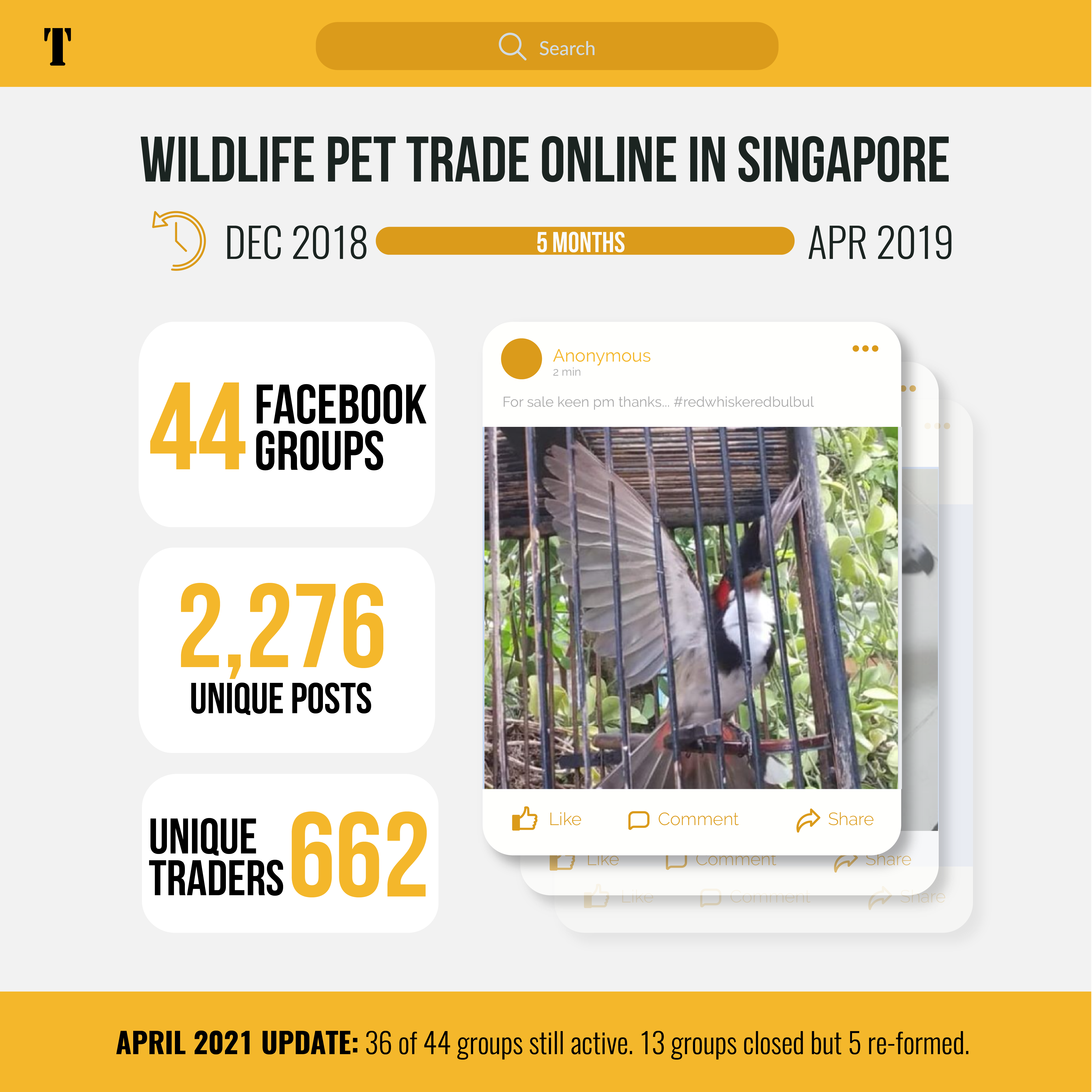
In December 2021, TRAFFIC Southeast Asia also released Trading Faces, a report on the online pet trade in Singapore. The publication highlighted the extent of the live bird trade on Facebook in Singapore, which substantiates the critical need for a compulsory wildlife-pet registration system to make buyers more accountable and deter unlicensed sellers operating online. Both Facebook and Singapore’s National Parks Board (NParks) have acted on information from this study, closing groups and removing posts with illegal wildlife trade activity.
Mandai Nature also supports TRAFFIC Southeast Asia’s research and monitoring of the trade of threatened and potentially threatened species in the region, with emphasis on lesser profiled species as well as the promotion of the conservation role that can and should be played by regional zoos and aquariums, including the sustainable, ethical and legal sourcing of animals. Another collaboration is through the IUCN SSC Asian Species Action Partnership (ASAP) where both Mandai Nature and TRAFFIC are on the governing council.

TRAFFIC Southeast Asia is a leading wildlife trade monitoring network. It is a non-governmental organisation working globally on trade in wild animals and plants in the context of both biodiversity conservation and sustainable development.