Search
What would you like to search for?

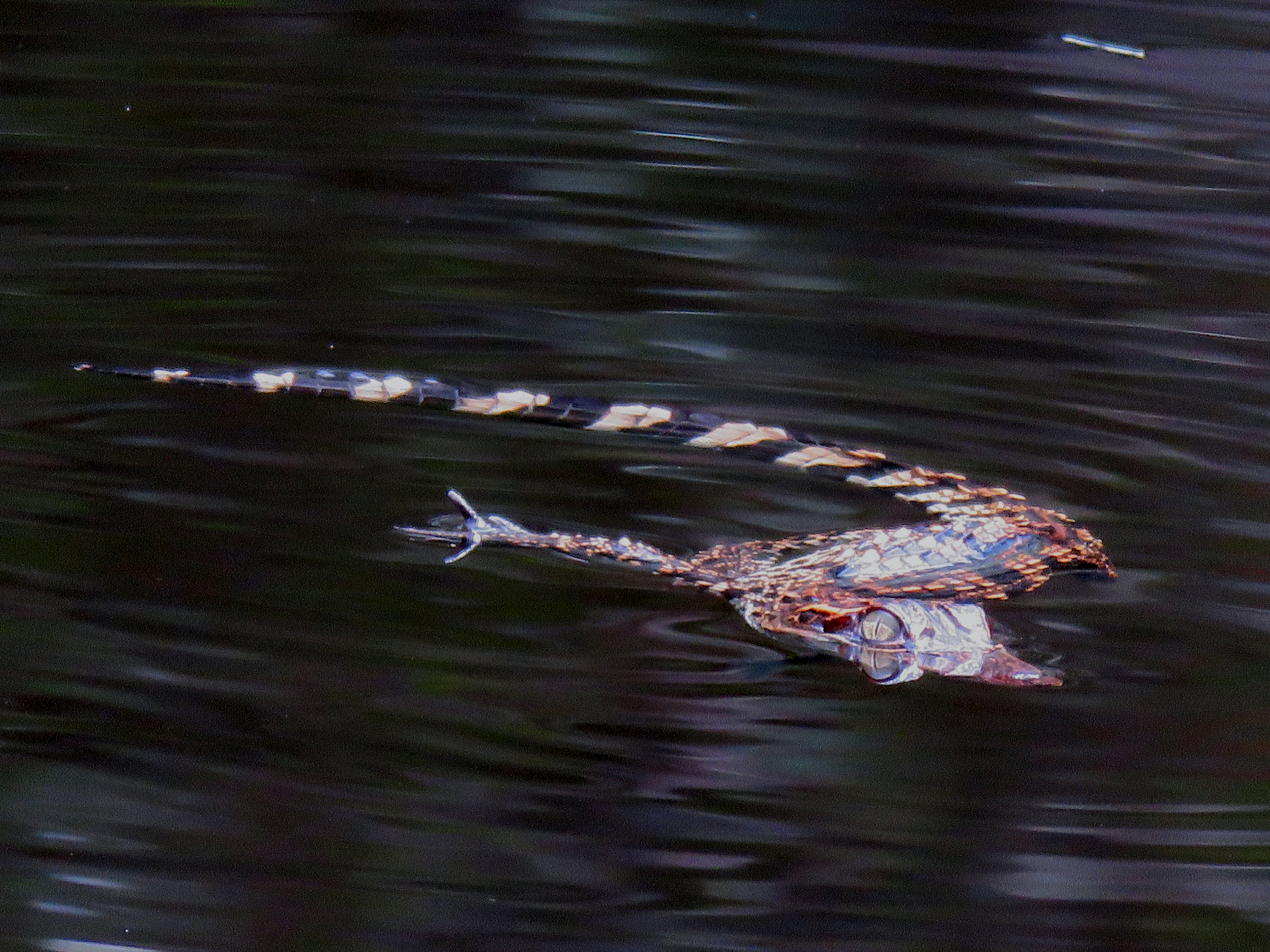


Historically, the Siamese Crocodile could be found over most of Southeast Asia and parts of Indonesia. Today, the species is one of the most threatened and critically endangered crocodilians with fewer than 1,000 mature adults worldwide. Its population decline has been caused by illegal hunting for commercial purposes, collection of wild crocodile eggs and widespread habitat destruction.
Today, the Sre Ambel River system in Cambodia holds one of the last few remaining global breeding sites of the Siamese Crocodile.
With support from Mandai Nature, Wildlife Conservation Society (WCS) Cambodia is working with the Cambodian Fisheries Administration (FiA) and the Department of Agriculture, Forestry and Fisheries (PDAFF) of Koh Kong Province to restore a viable population of Siamese Crocodiles within the Sre Ambel River System.
A key initiative under this project is the nest protection programme which engages former local hunters as nest protectors, where they survey and identify key sites used by crocodiles for nesting. This provides an alternative income source for the local community while helping to protect the animal.
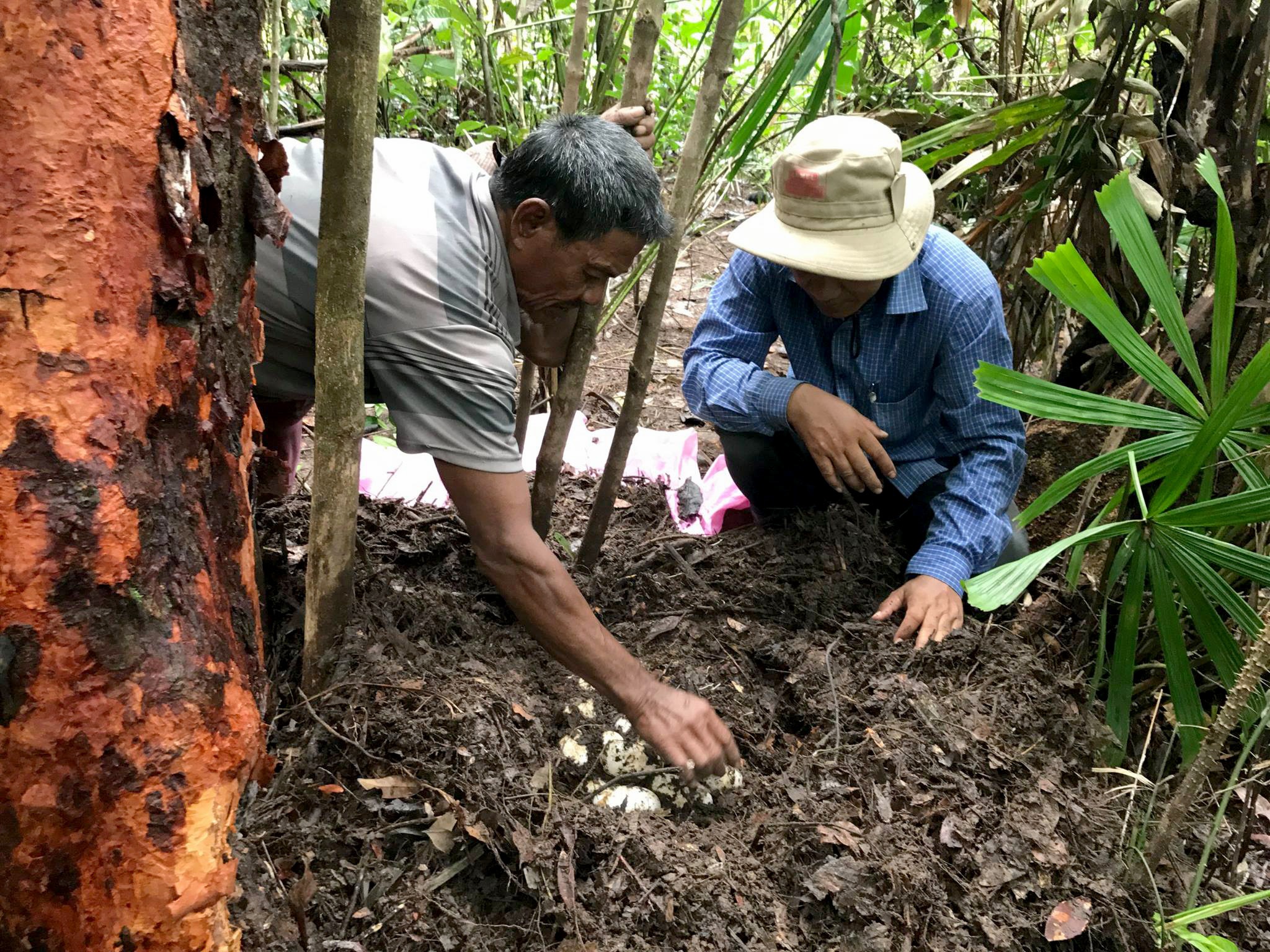
In 2021, a nest consisting of 12 large eggs was found, among the largest number of Siamese Crocodile eggs ever detected in the area.
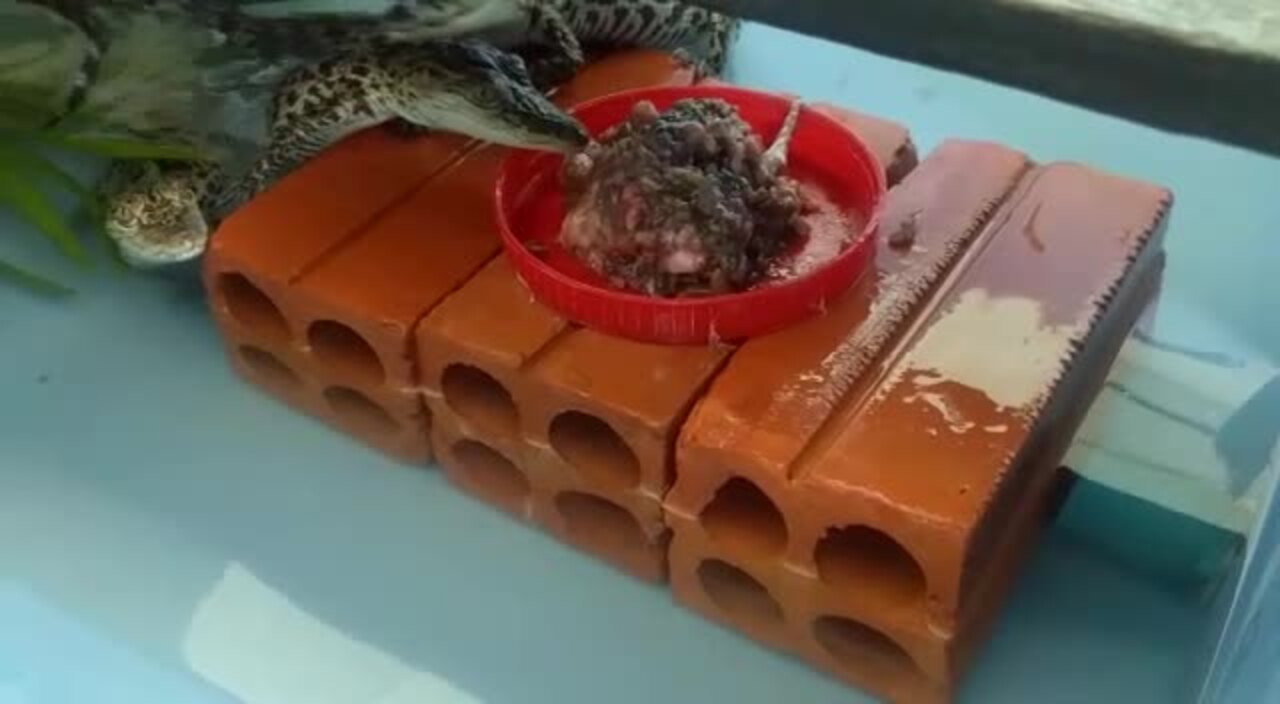

Video: Sitha Som/ WCS Cambodia
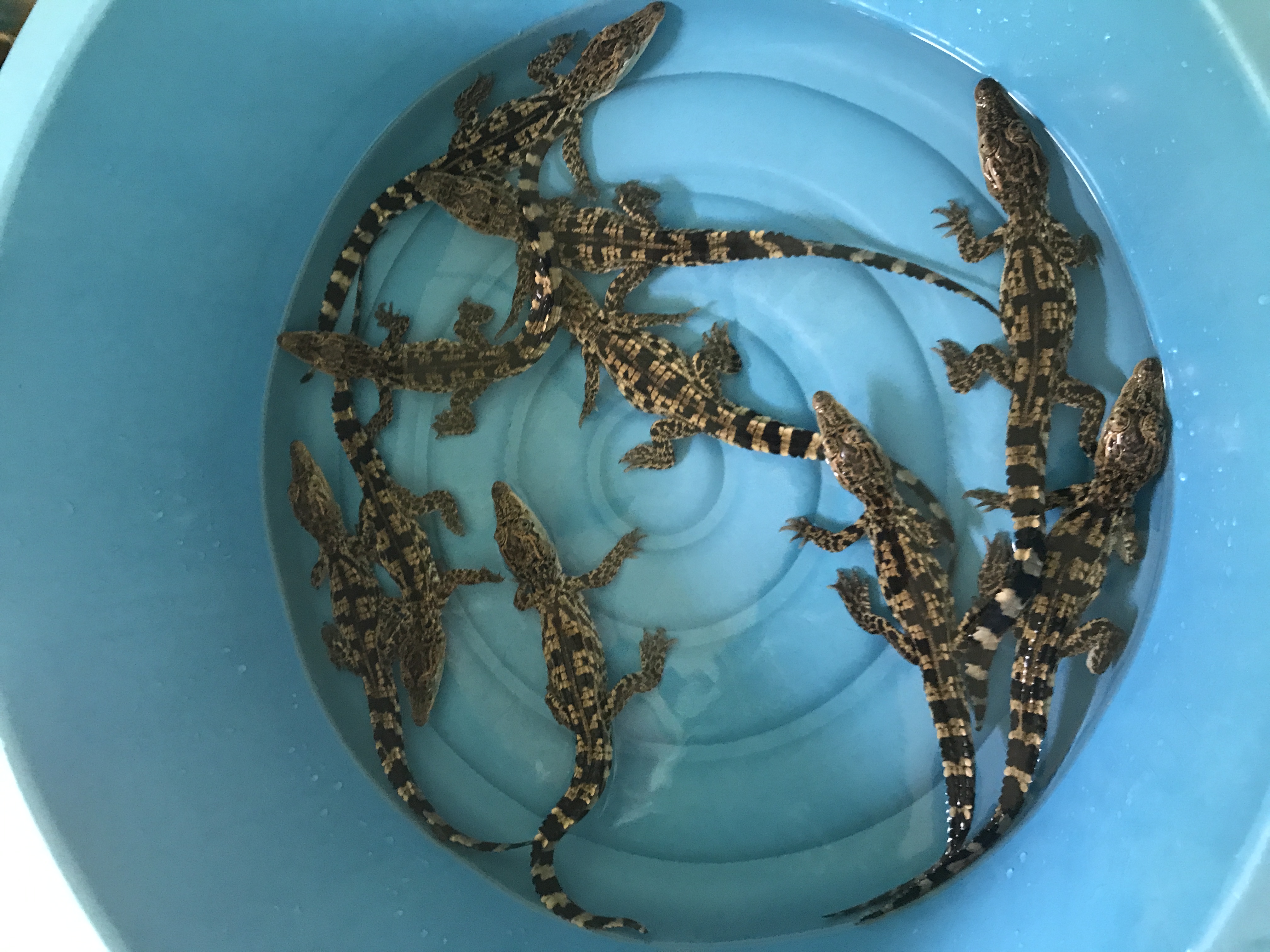
The team has also focused efforts on the head-starting programme for crocodile hatchlings at the Koh Kong Reptile Conservation Centre (KKRCC). The KKRCC is a dedicated head starting facility for reptiles that includes chambers for incubating eggs and raising hatchlings, as well as grow out ponds of various sizes. The team is caring for over 20 individuals at KKRCC with the aim of releasing them into the Sre Ambel river in the near future. After any release, the movements, survivorship and habitat use by the hatchlings will be monitored to assess the success of the head-starting programme.

The Wildlife Conservation Society is a New York-based conservation organisation with the goal to conserve the world's largest wild places in 15 priority regions. WCS first began working in Cambodia in 1999, and now works in partnership with the Cambodian government and other stakeholders in seven conservation projects across the country.