Search

What would you like to search for?

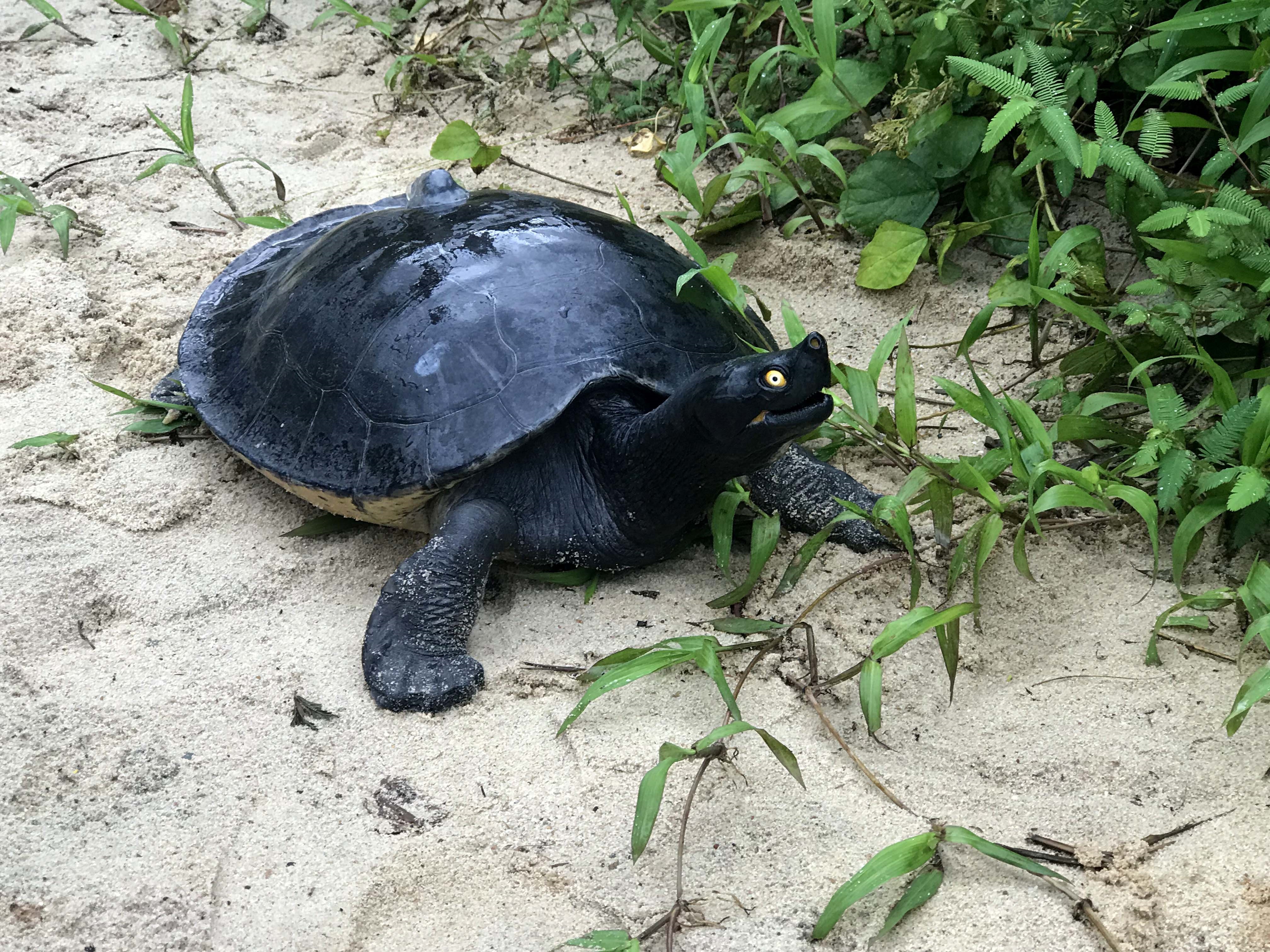


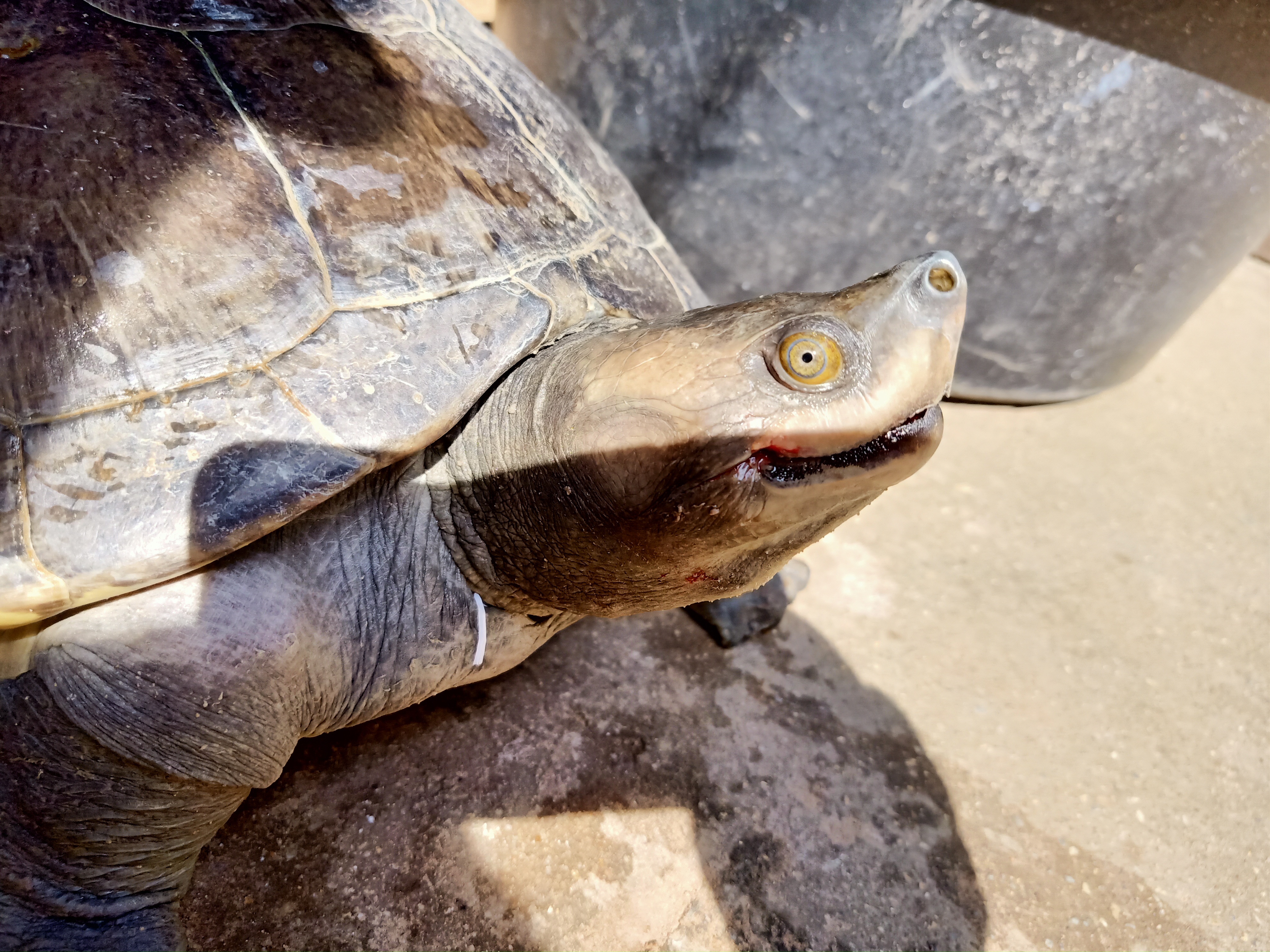
The Southern River Terrapin, also known as the Royal Turtle in Cambodia, was once believed to be extinct in the country until the species was rediscovered along the Sre Ambel River in Cambodia in 2001.
To secure a future for the species, Wildlife Conservation Society (WCS) Cambodia, together with the Cambodian Fisheries Administration, has been working to restore the wild population of the species for over two decades. Mandai Nature has a long-standing partnership with WCS Cambodia and has provided funding support to their conservation efforts including the construction of the Koh Kong Reptile Conservation Center (KKRCC) for head-starting efforts for the turtles. Conservation measures undertaken also include implementing release and monitoring programmes, and community involvement, among other initiatives.
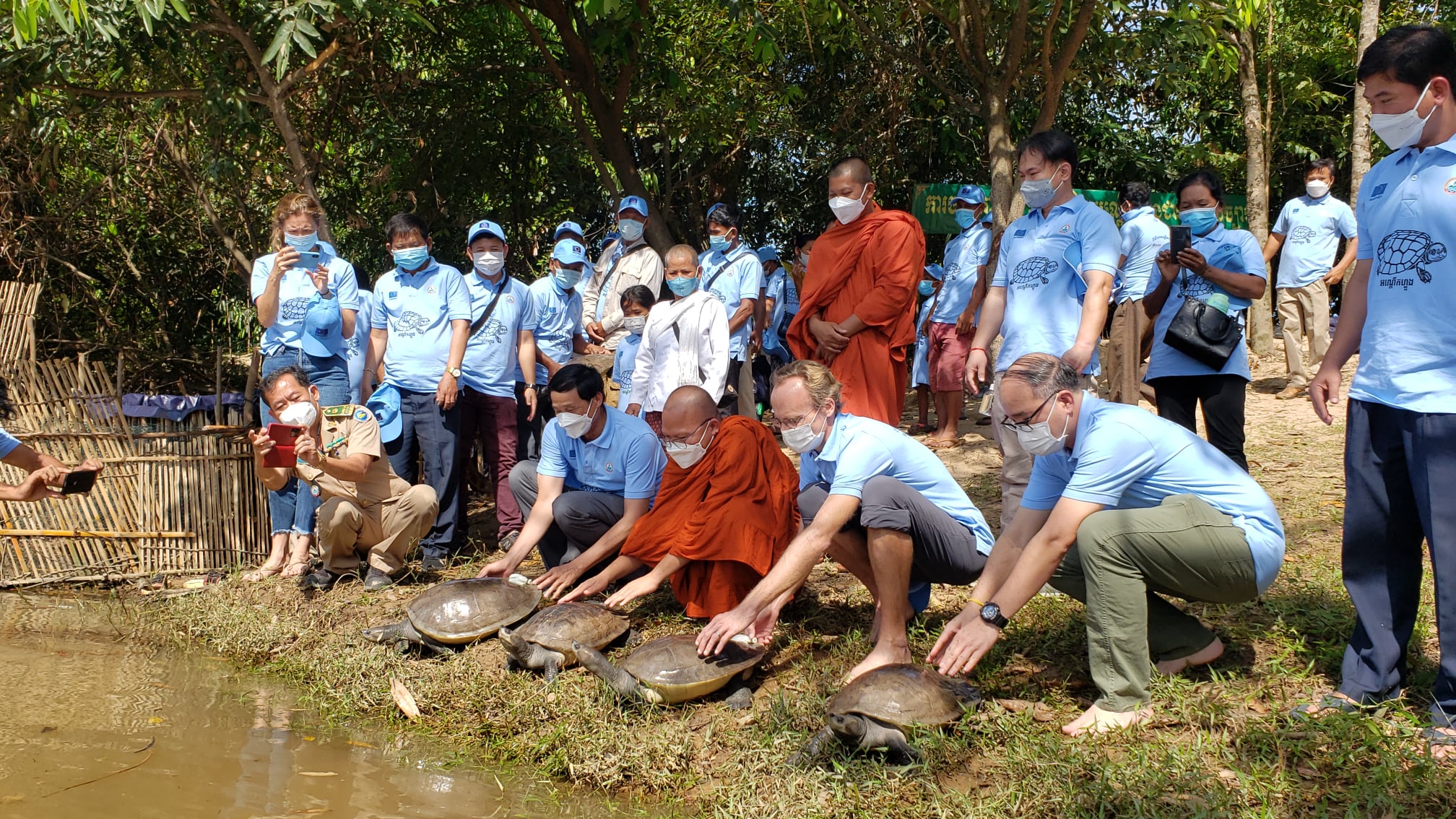
Through conservation efforts by WCS, Fisheries Administration (FiA) of the Ministry of Agriculture, Forestry and Fisheries in Cambodia, Mandai Nature and other conservation partners, more than 147 turtles have been released back to the wild. In a boost for the species, the Ministry of Agriculture, Forestry and Fisheries has included the Sre Ambel river system as a protected area for the conservation for the turtles, which ensures greater protection for their habitat and promote nesting along the beaches.
In February 2021, five female turtles that were head-started at the KKRCC laid eggs for the first time under human care in Cambodia, signifying another major conservation milestone for the species. Nesting activity was also detected in the wild, on sand beaches previously not known to be used for nesting in the last decade.

Much more needs to be done for the species. Conservation efforts continue with a focus on nest and habitat protection by local communities, enhancements to the KKRCC, mapping the micro-habitats and monitoring released turtles. WCS Cambodia is also involved in work around anti-poaching law enforcement, prevention of illegal trade, and outreach with local communities.
Adopting a landscape approach to protecting wildlife and communities, WCS Cambodia’s efforts will aid in the transformation of this conservation programme into a broader initiative for this region in Cambodia. With mangrove habitats and the associated wetlands particularly vulnerable to climate change and being vital to the food security of local communities, this initiative will have a far-reaching impact on both wildlife and human populations living in Koh Kong province.

The Wildlife Conservation Society is a New York-based conservation organisation with the goal to conserve the world's largest wild places in 15 priority regions. WCS first began working in Cambodia in 1999, and now works in partnership with the Cambodian government and other stakeholders in seven conservation projects across the country.