Search
What would you like to search for?

Nestled within the Mandai Wildlife Reserve are renowned zoological parks such as Singapore Zoo, Night Safari, River Wonders and Bird Paradise. Managed by Mandai Wildlife Group, these wildlife parks are home to more than 20,000 animals across over 1,000 species. But, over the years, the wildlife parks have also become a key habitat for wildlife native to Singapore. The varied landscapes have created living environments, so-called microhabitats that are suitable for a wide range of species including reptiles mammals, amphibians and birds.
They can often be spotted amongst the foliage, or the built-up features within the parks such as the ceilings, as well as in the surrounding resevoir located adjacent to the Mandai Wildlife Reserve.
As the conservation arm of Mandai Wildlife Group, Mandai Nature collaborates with the Group to ensure that these native populations continue to thrive within the precinct for the long-term. To achieve this, a concerted conservation and management plan was developed and is currently being implemented.
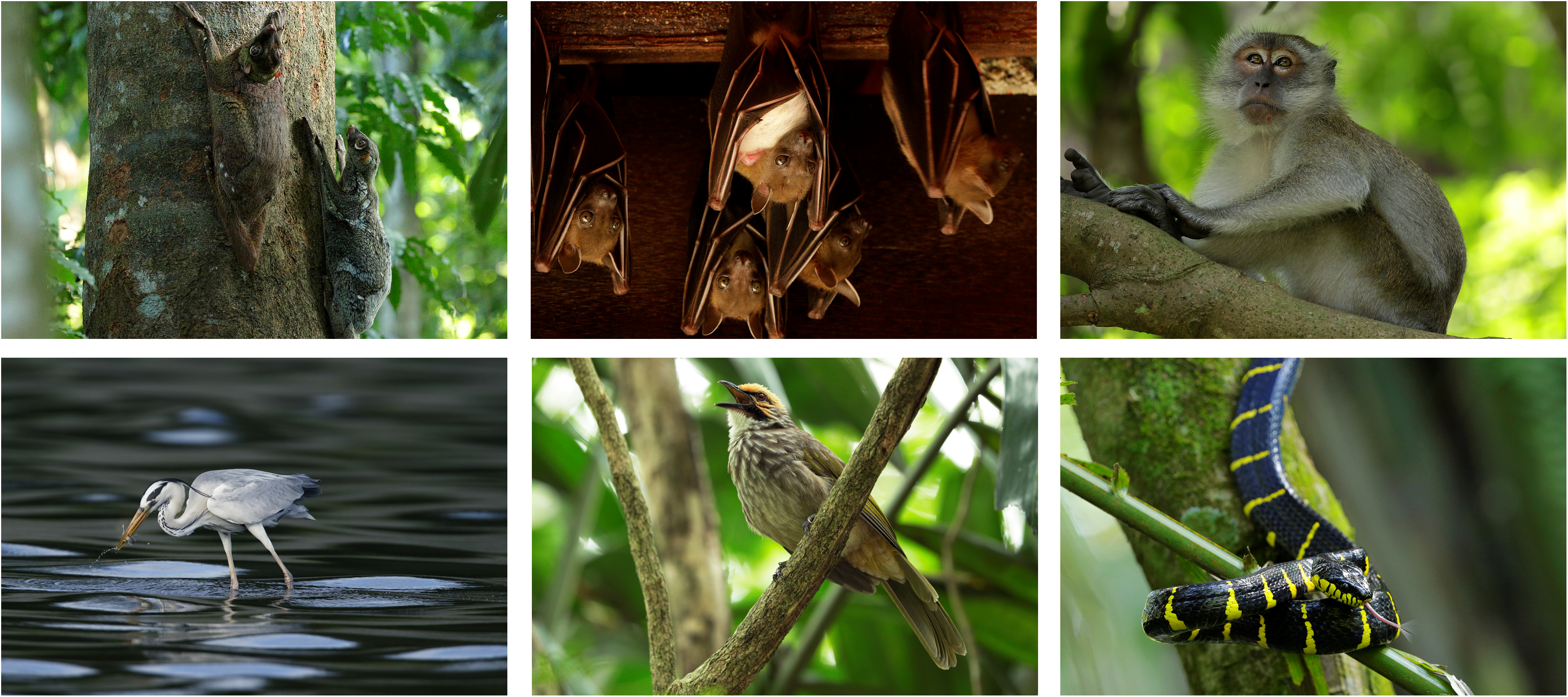
A key component of the plan hinges on acquiring sound knowledge about the status of the native wildlife populations in the parks. This includes understanding population sizes, tracking locations and movements, as well as documenting any threats faced.
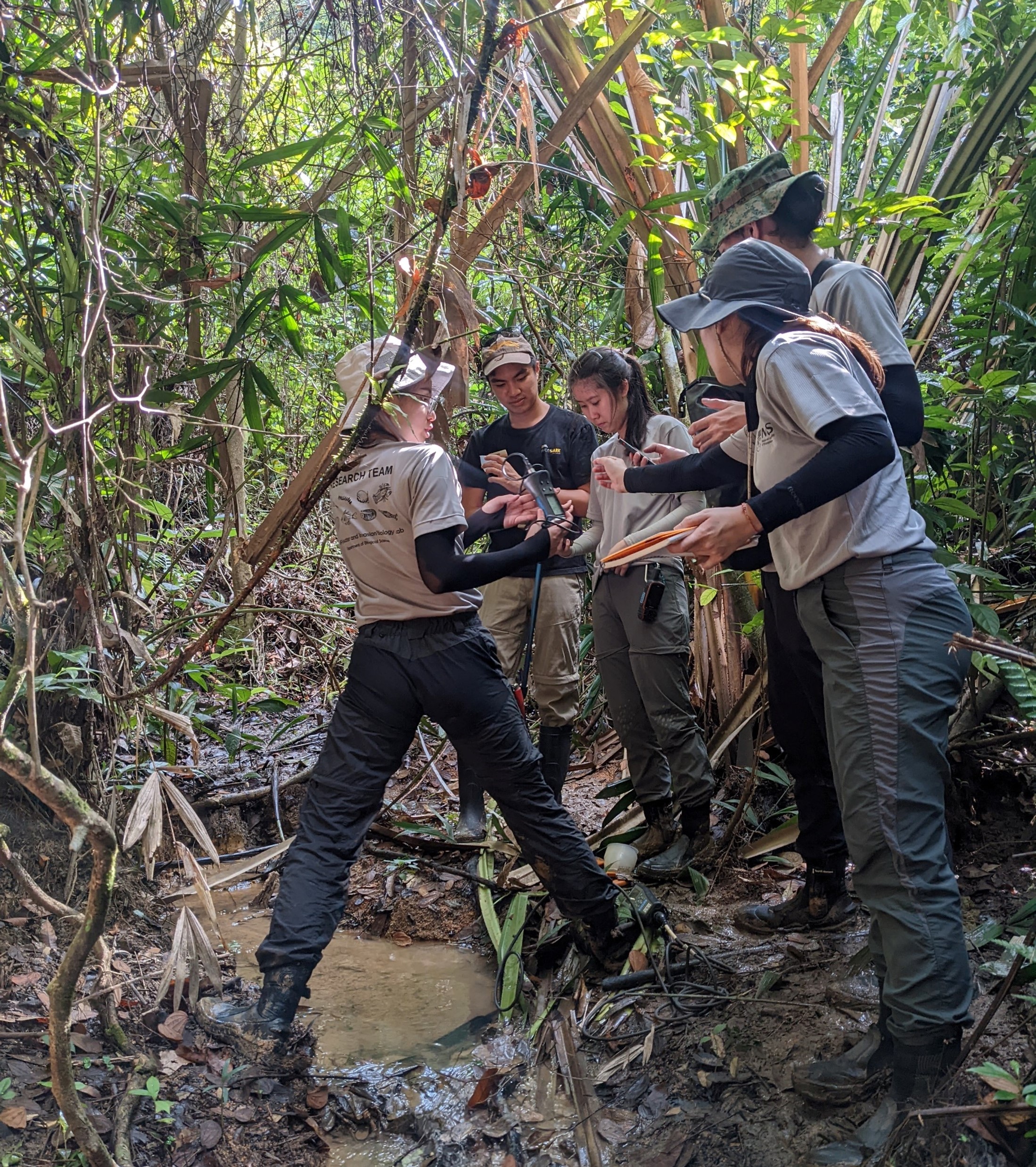
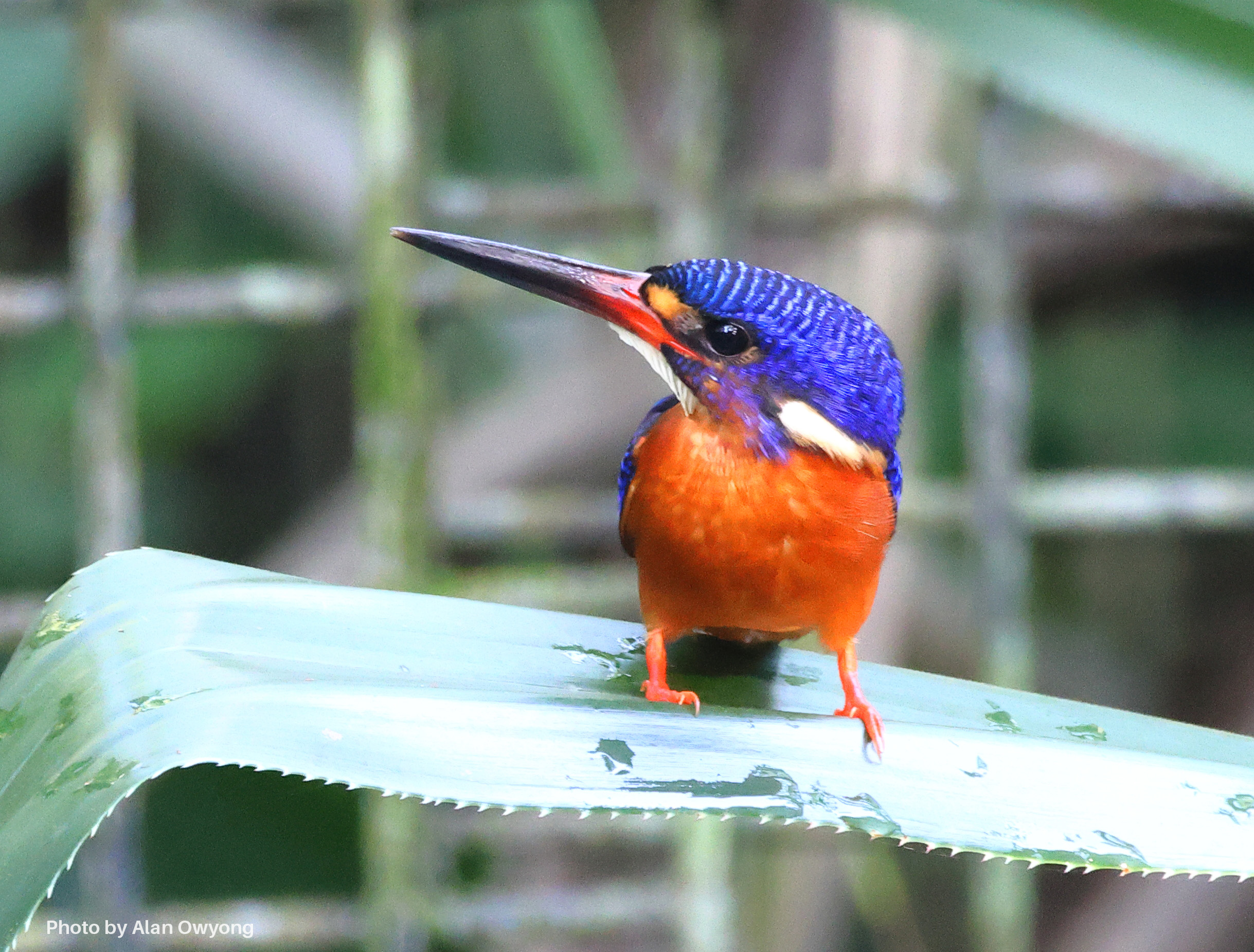
Regular biodiversity surveys with the help of staff and volunteers from nature groups are thus carried out in habitats around the wildlife parks to gain insights into the status and diversity of species, and assess the health of these ecosystems. Annual herpetofauna and avifauna surveys conducted in the parks in 2023 recorded 230 sightings across 23 species of amphibians, lizards, snakes and other species, as well as 398 sightings across 55 species of birds!
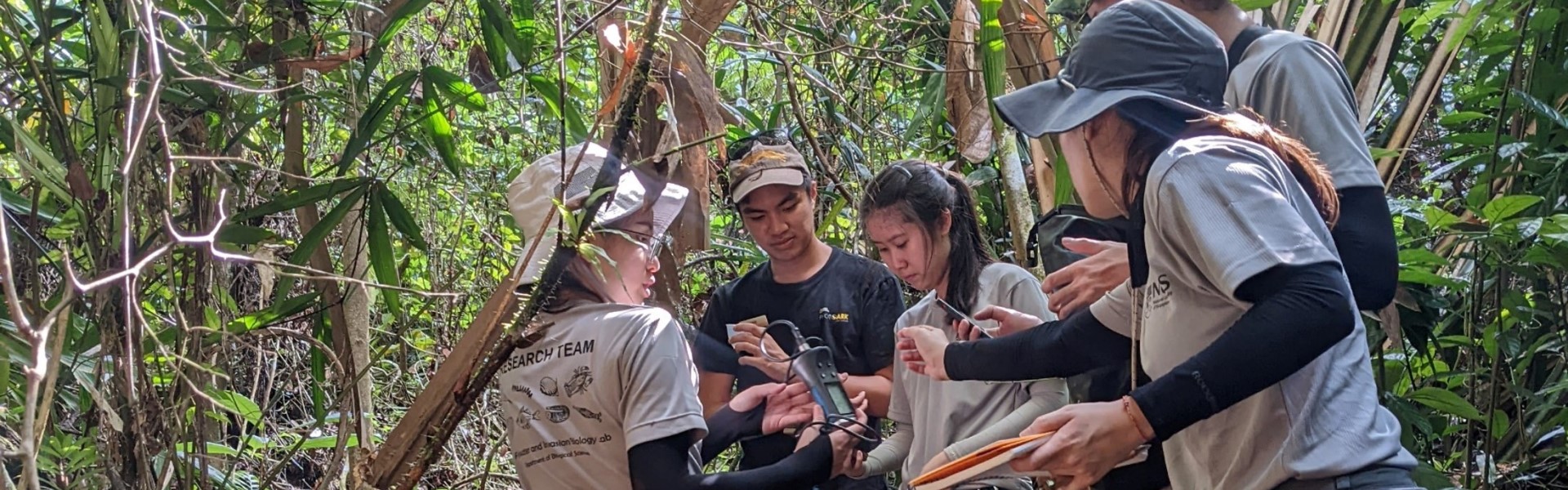
These surveys have also yielded exciting discoveries. In a partnership with the Freshwater and Invasion Biology Lab and Lee Kong Chian Natural History Museum at the National University of Singapore, we embarked on a survey of a freshwater stream in Night Safari to assess aquatic fauna in February 2023. Our exploration led to the documentation of six species of fish, including the Croaking gourami and Malayan pygmy halfbeak, two native species recorded for the first time in the area. The survey also found two crustaceans of local conservation significance in the habitat – the Johnson’s freshwater crab and the Peracca’s land crab.
By gaining insights into species status and diversity, researchers can effectively gauge the overall health of the stream ecosystem. This understanding enables them to identify any potential threats and develop mitigation measures to safeguard existing biodiversity in the area, as needed.
Beyond the surveys, Mandai Wildlife Group and Mandai Nature are also bolstering knowledge of native wildlife through their efforts in the rehabilitation of native wildlife.
The Wildlife Healthcare and Research Centre at the Mandai Wildlife Reserve receives about 1,200 rescued wildlife from around Singapore per year, including snakes, pangolins, civets and birds. They are nursed back to health at the facilities by Mandai Wildlife Group's veterinarian team before being released back into the wild. The rehabilitation efforts provide us with valuable opportunities to improve on veterinary healthcare as well as gather physiological and ecological information about these species, particularly on those less studied, which can inform population management or conservation measures. For instance, in caring for rescued colugos, the veterinary team developed a nail scoring system and method of reshaping and sharpening colugo claws, which has led to improved outcomes for rescued individuals.
Amongst the many native wildlife that call the Mandai Wildlife Reserve home are the Sunda colugos and long-tailed macaques, which are two of the focal species in our conservation and management plan.
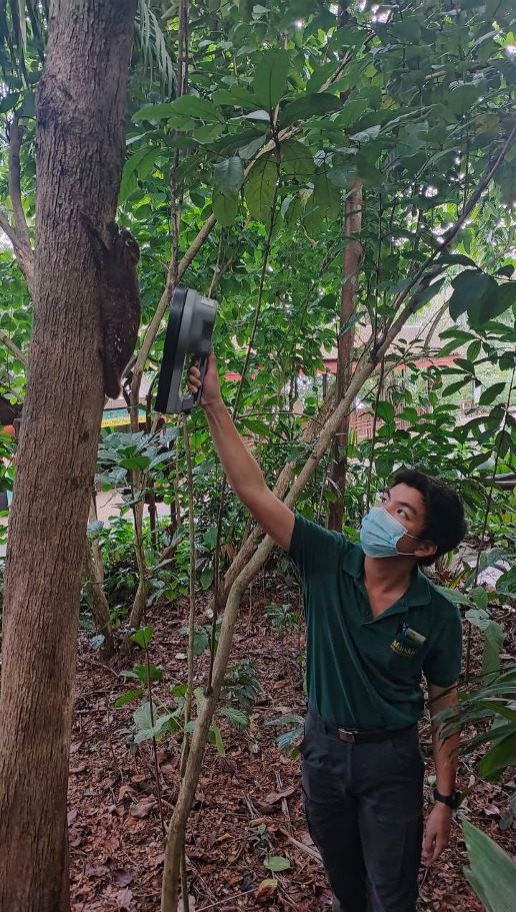
Sunda colugos are arboreal mammals that can be found throughout Southeast Asia. This nocturnal animal also remains one of the most understudied mammals, due to their nocturnal and elusive nature. This means much of their ecology, behaviour and biology is unknown. They can also be challenging to spot in the wild but in the Mandai Wildlife Reserve, we are fortunate to be able to quite easily spot them throughout our parks! This also offers us the incredible opportunity to study and gain a deeper understanding of the species.
.png)
Mandai Wildlife Group and Mandai Nature worked with researchers from National Institute of Education at the Nanyang Technological University to track the movements of Sunda colugos in the parks. The study provided additional insight into behaviour and habitat preferences of the species which helped to shape conservation management efforts. For instance, understanding the colugos' movements around the parks helped the team identify optimal locations for the installation of glide poles. These poles create pathways and enhanced connectivity, ensuring the colugos can move around safely.
An identification guide has also been developed, enabling individuals to be distinguished by unique coat patterns. At least 56 individuals have been identified in the Singapore Zoo since 2021. These findings help the team understand the species' social dynamics and ecology, and how they have adapted to human presence in the parks.
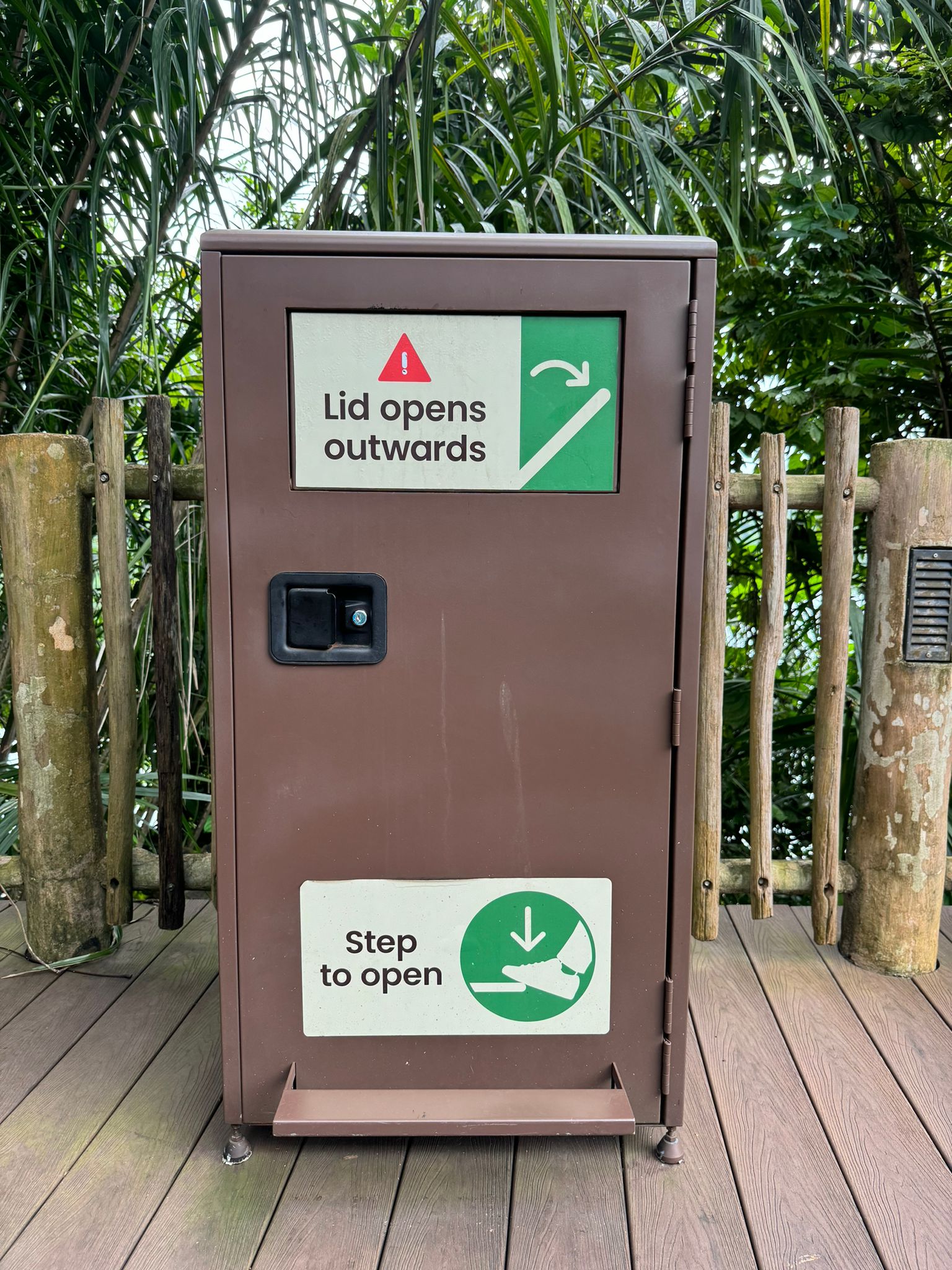
Our wildlife parks are also home to a population of long-tailed macaques, also known as crab-eating macaques. Due to their highly adaptable nature, they are frequently observed to be in proximity to park visitors and staff. For the welfare of these macaques and safety of visitors, it is important for us to co-exist harmoniously with each other.
As part of a long-term management approach, the team focuses on monitoring troop activities, managing human-wildlife interfaces, and fostering human-wildlife coexistence through capacity building and awareness efforts. For instance, to reduce access to human food waste, specially designed monkey-proof bins have been introduced and a rope bridge has been installed to allow macaques to safely use built-up areas of the park. Wildlife rangers and staff have also been trained to carry out monkey-guarding, a technique which safely guides macaques away from areas with higher human activity.
.jpeg)
We take pride that our wildlife parks are home to the many species of wildlife and together, we do what we can to take the opportunity to understand and bolster our understanding of the species, while educating guests that visit about the amazing wildlife. By protecting their populations and ensuring they can thrive within our parks, we can offer opportunities for visitors to safely observe and learn firsthand about the unique biodiversity Singapore has to offer.