Search
What would you like to search for?

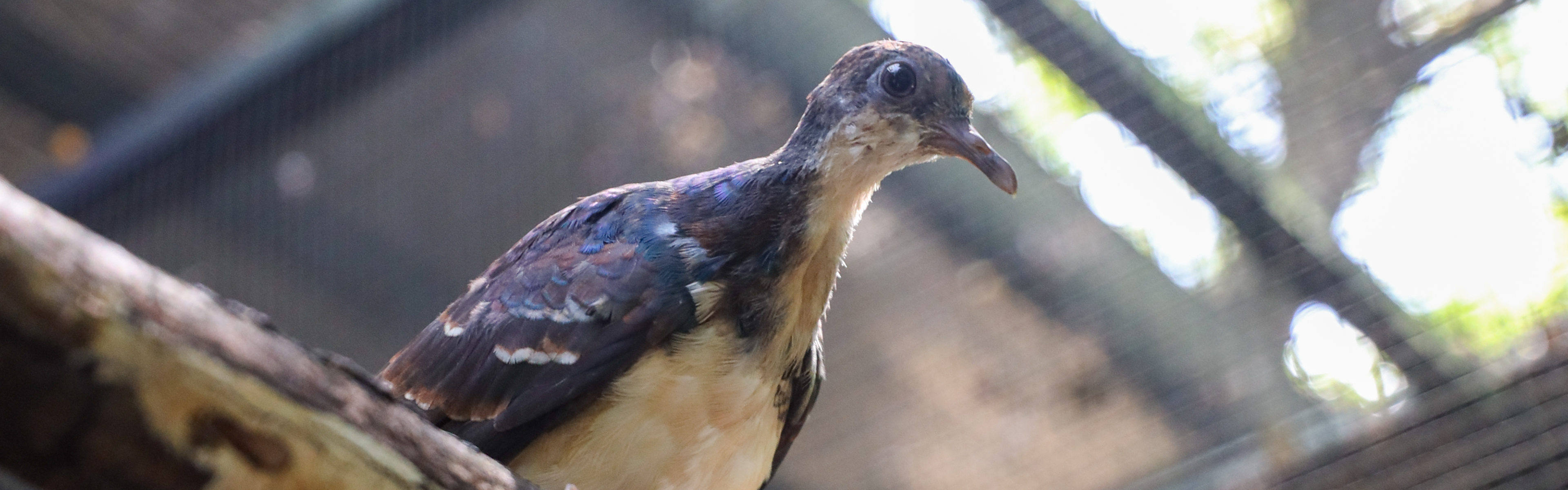
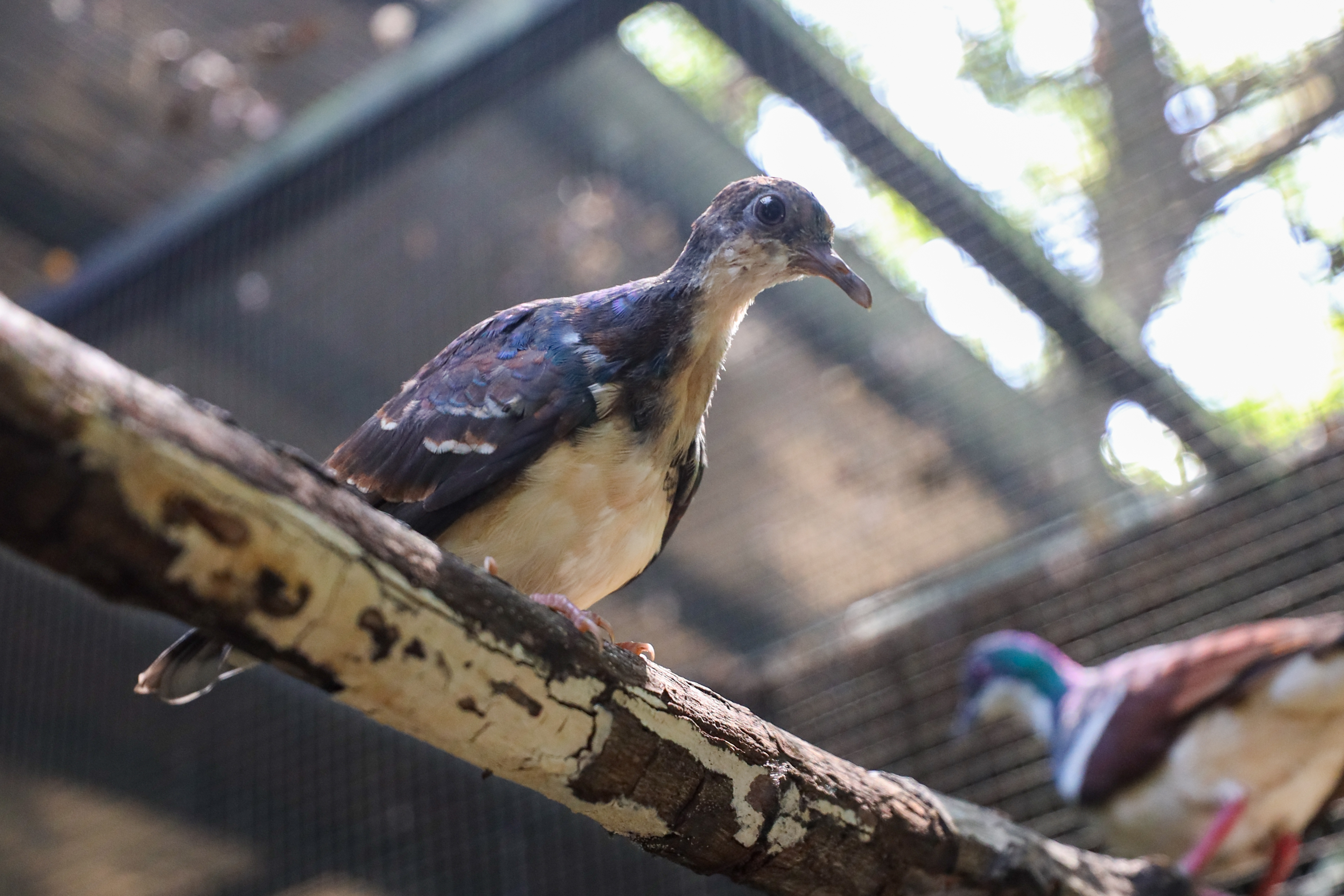
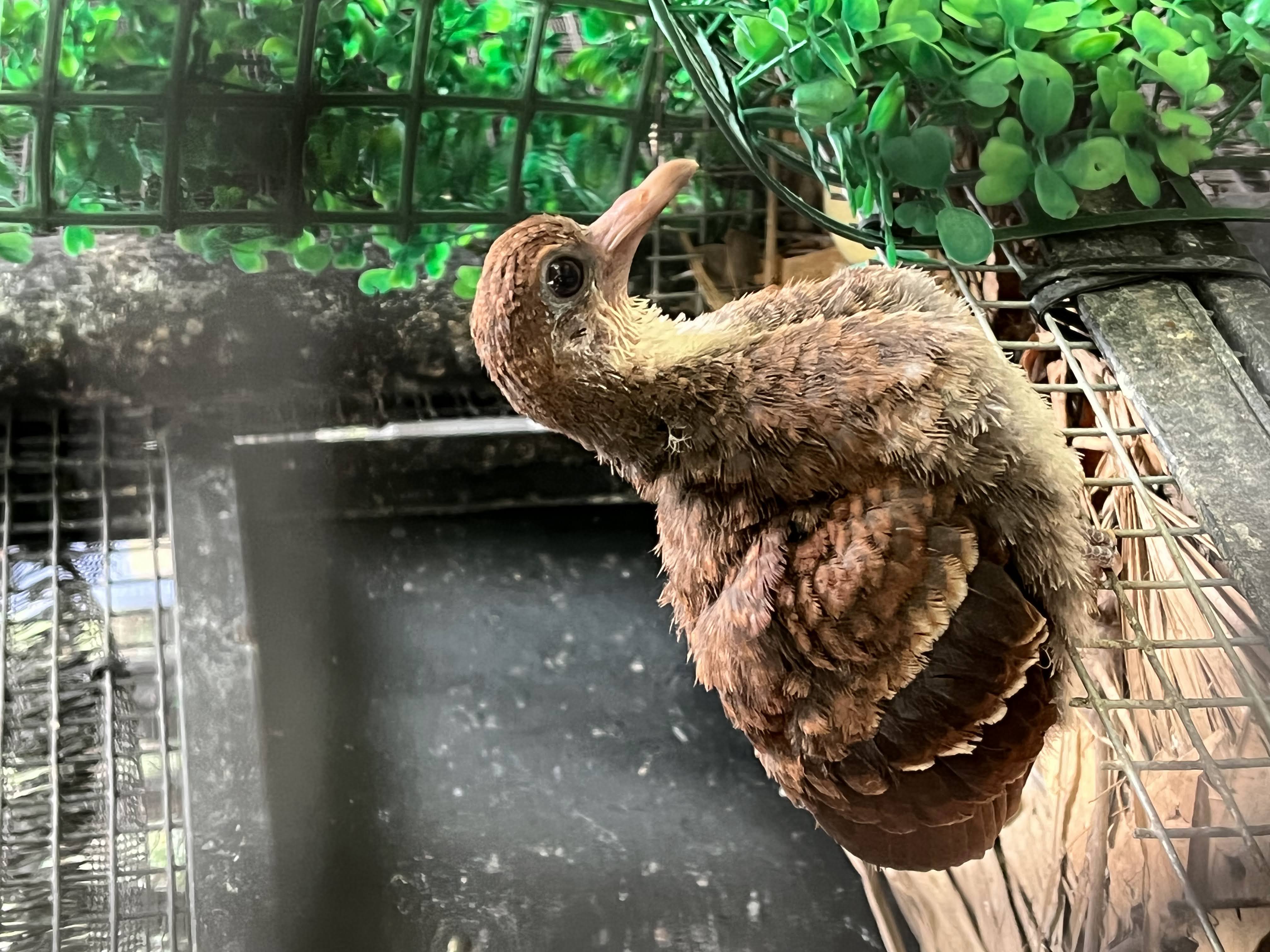
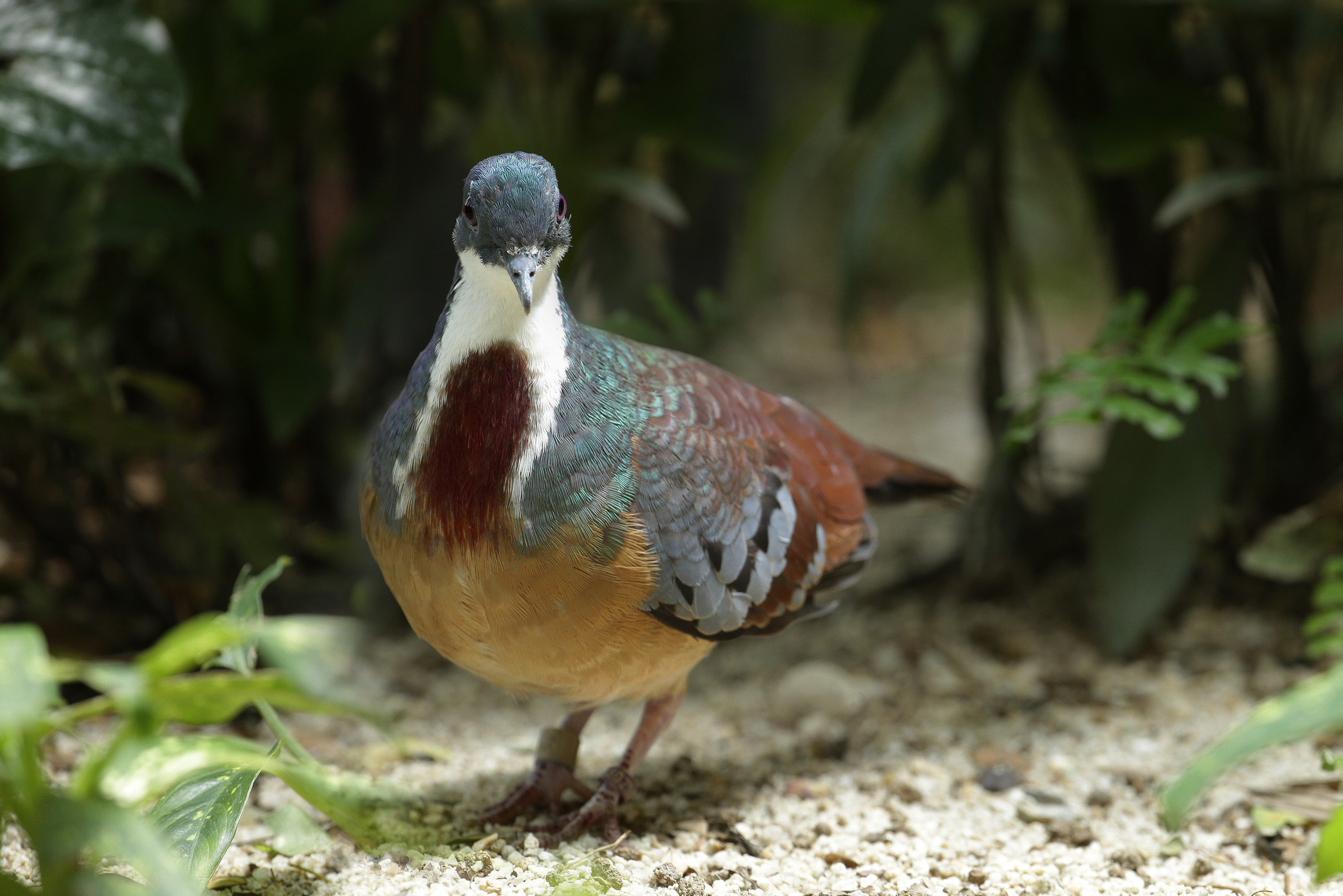
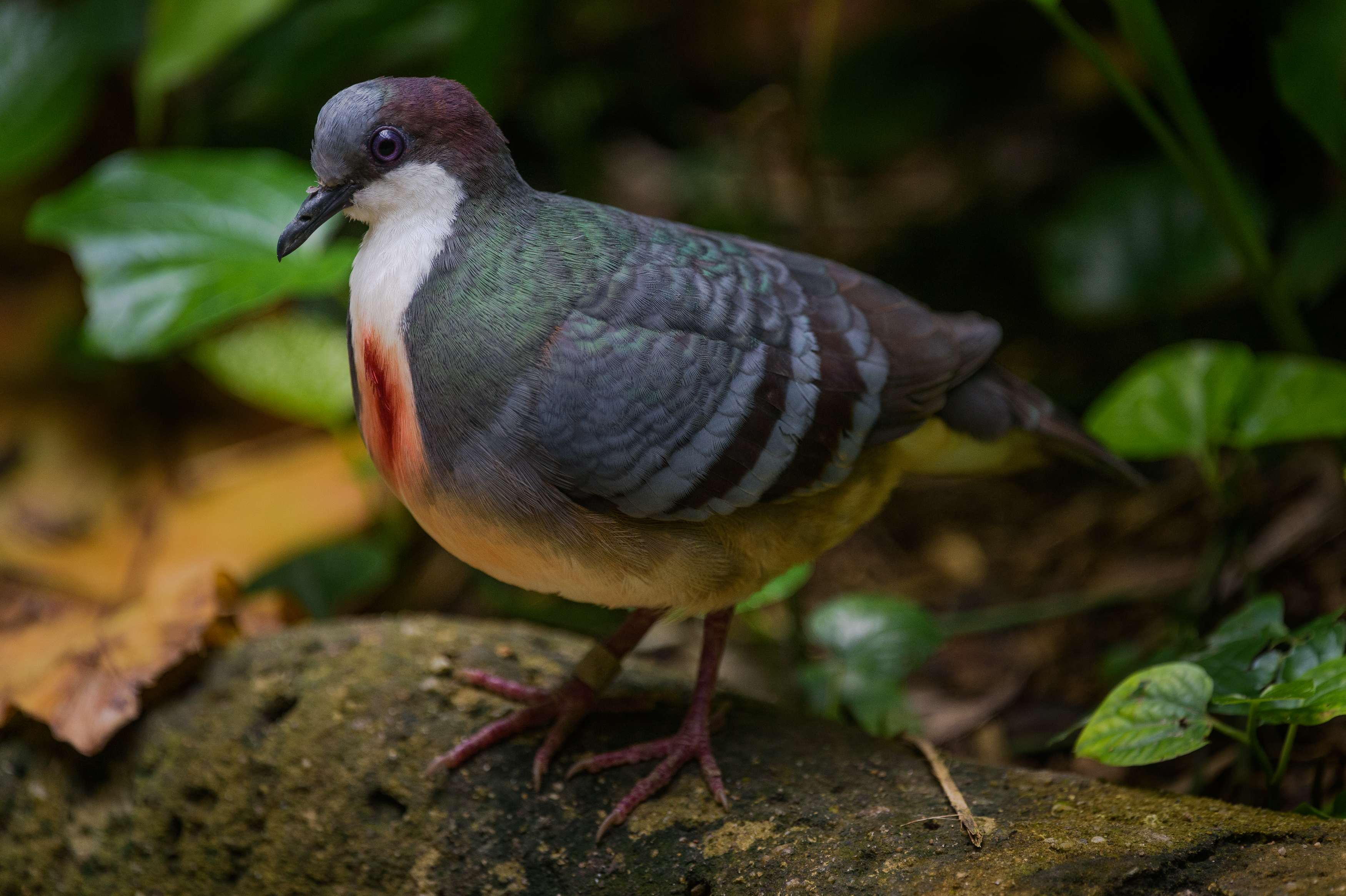
A conservation breeding programme as part of the recovery plan for the critically endangered Negros Bleeding-heart Dove has been set up in Singapore’s Jurong Bird Park, following their historic journey from the Philippine Island of Negros in September last year. This is the only breeding programme for the species outside its native country of Philippines. The arrival of these birds marks the growing commitment by Jurong Bird Park and Mandai Nature to jointly achieve greater impact for species conservation through the One Plan Approach (OPA), particularly for those threatened and endemic to Southeast Asia.
The birds originated from an established conservation breeding facility helmed by Talarak Foundation Inc1 (TFI) in Negros Forest Park, Bacolod City, Philippines. Jurong Bird Park and Mandai Nature partnered with TFI to set up the conservation breeding programme, with the ultimate goal of having the progenies return to the Philippines for eventual release to their natural habitats and restore wild populations. TFI has been a strong conservation partner for Mandai Wildlife Group and Mandai Nature, having worked closely on conservation activities in the Philippines.
Consisting of three males and three females, the birds were paired up in Jurong Bird Park’s off-exhibit breeding facility where other highly threatened species are also bred. After just three months into their new home, Jurong Bird Park welcomed its first Negros Bleeding-heart chick which successfully hatched on 26 November 2021. Since then, two more chicks have hatched. The first chick is developing its adult plumage, going from its mostly brown coloration to a two-tone grey body with white on its belly and chest. It has also begun to develop the typical red marking on its chest.
With the increasing intensity of threats to wildlife such as climate change, habitat loss and illegal wildlife trade leading to the growing list of threatened species globally, zoos have an extremely important role to play in the preservation of species outside of their natural range and prevent extinction. Dr Luis Neves, Vice President of Animal Care at Mandai Wildlife Group said, “Negros Bleeding-hearts are one of the rarest birds in the world and their presence in Jurong Bird Park is testimony to our commitment to continue to save species from extinction. By increasing the number of conservation dependent species in our wildlife parks and collaborating with Mandai Nature to integrate in-park conservation breeding programmes with the species’ conservation action plans in their native countries, we can make tangible differences to the protection of these critically endangered species before it’s too late. We are thrilled to contribute to the conservation breeding programme for the Negros Bleeding-heart by caring for the only assurance colony outside of the Philippines. We hope that many more chicks will follow and for them to eventually return to their native habitat.”
Over the decades, Mandai Wildlife Group’s wildlife parks including Jurong Bird Park have contributed to conservation through high standards of animal care, sharing of knowledge for capacity building in animal welfare and research initiatives. Jurong Bird Park has been involved in in situ and ex situ conservation efforts for globally critically threatened avian species like the Philippines Eagles, Black-winged Myna, Bali Myna, Straw-headed Bulbul and Edwards’s Pheasant. Conservation efforts undertaken by zoos help to sustain species populations and keep them safe from threats like habitat loss, illegal trade and potential natural disasters that could wipe out entire populations. Collecting data on their biology and behaviour while under human care also provides valuable information on species needs, which is then used to aid in the development of species recovery plans. By gaining deeper understanding of the species and advancing scientific knowledge of the animal, it can help enhance conservation strategies and action.
Dr Sonja Luz, Deputy CEO of Mandai Nature and Vice President, Conservation, Research & Veterinary at Mandai Wildlife Group, said, “The collaborative nature of the One Plan Approach means everyone is coming together in agreement that intervention for the species is needed, and the actions that must be taken by the different parties across all levels to reverse the species’ population decline. The partnership between Mandai Nature, Jurong Bird Park and Talarak Foundation Inc and others is a great example of this. By collectively working to drive ‘One Plan’ for this critically endangered bird, we hope to create a safety net for the species – not only by sustaining a healthy population under human care, but also ensuring there will be sufficient and protected wild habitats that are safe for their release in the future. This is the first of many other critically endangered species that Mandai Nature and Mandai Wildlife Group’s wildlife parks are collaborating on with other conservation partners in the region to boost links between ex situ and in situ efforts.”
The OPA to species conservation brings together different stakeholders including conservation partners, government, and local communities responsible for the population of a species both within and outside their natural range to jointly develop conservation action plans, and co-operatively contribute to address threats faced by species. By strengthening links between conservation efforts for the animals, the approach bridges the gap between wild and captive population management, thereby enhancing the capacity to sustain viable populations both in human care and the wild.
Matthew Ward, Project Manager at Talarak Foundation Inc said, “Named after Negros Island, one of the last remaining forested areas in the West Visayan region, this dove is an ambassador to the conservation of all Negros wildlife. The species is impacted both by local poaching pressure and the loss of its lowland forest habitat, requiring a multifaceted approach to conserve the remaining populations including habitat restoration and protection, rural education and outreach, and further monitoring of existing populations. Our outreach and education team have been working hard to raise the profile of the species in rural communities, using pride campaigns to make the Bleeding-heart an emblem to Negros communities. Our research team are scouring the remaining forest patches of Negros to find any elusive remnant populations, whilst developing a release site for the reintroduction of the animals born under human care back into a protected lowland forest.”
Planning for the birds’ arrival to Singapore started more than three years ago in the Philippines at the Western Visayas Conservation Workshop. Hosted by TFI, the intent of the workshop was to develop a multi-species conservation strategy to identify the conservation needs and recommended conservation approach for five key species endemic to the region, including the Negros Bleeding-heart which is an iconic species among West Visayan fauna. Since then, Mandai Nature and Jurong Bird Park have supported TFI in carrying out actions identified in the plans which includes the identification of remaining wild population in specific sites within their natural range, the viability of habitats for the species and existing threats that may exist in these areas.
The Negros Bleeding-heart is listed as critically endangered by the IUCN Red List of Threatened Species, with an estimated wild population of only between 50 to 249 individuals with population fragmentation, habitat loss and poaching being its main threats.
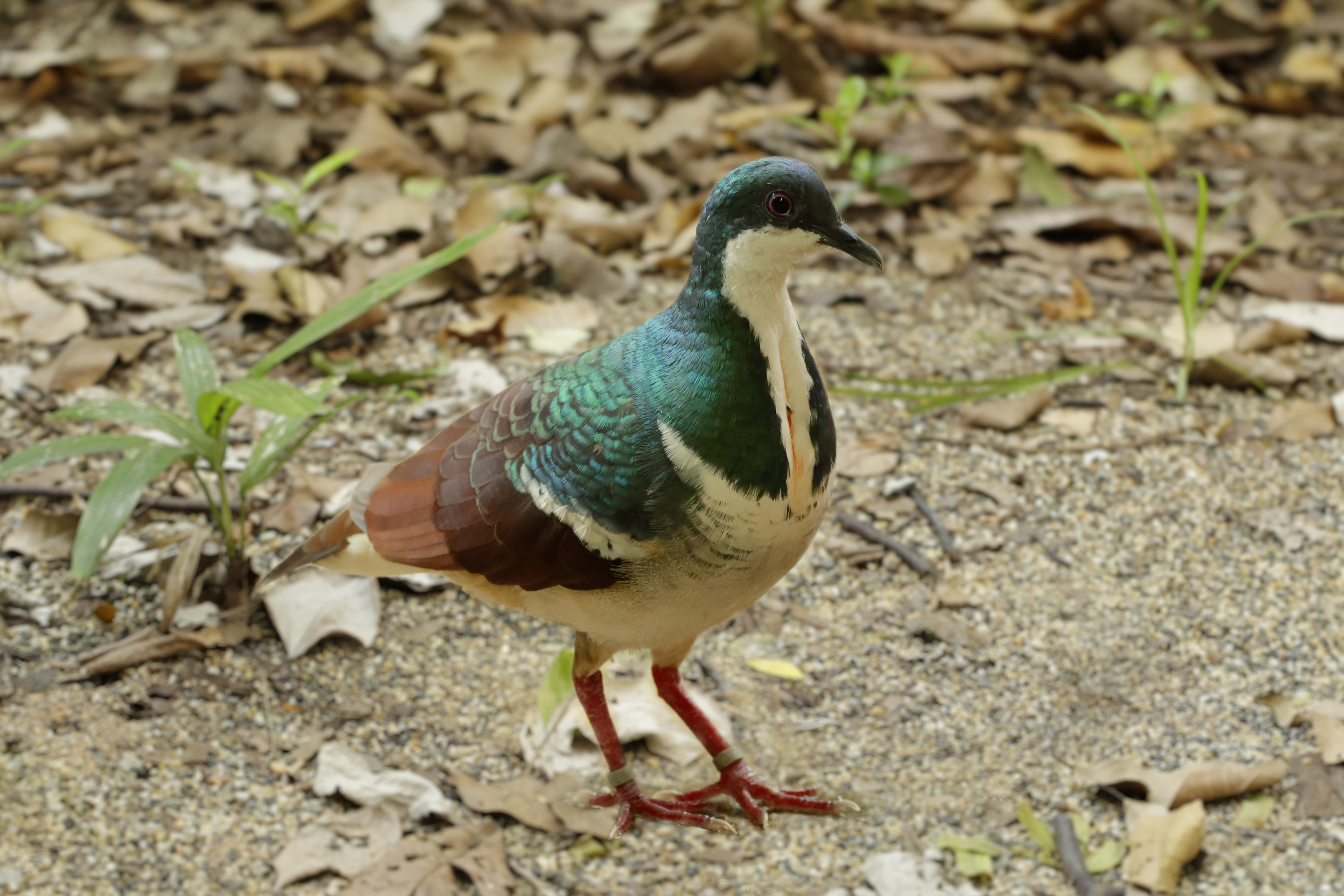
There are five Bleeding-heart Dove species endemic to the Philippines and Jurong Bird Park is the sole zoological institution in the world to hold three of the five species – the Negros, Mindanao and Luzon Bleeding-hearts, each named after the islands that they are native to. All of them have a unique characteristic that identifies them as Bleeding-heart, which is the iconic red splash on their chest. The Mindanao Bleeding-heart is listed as vulnerable, while the Luzon Bleeding-heart is listed as near threatened. The remaining two recorded species, the Mindoro and Sulu Bleeding-hearts are listed as critically endangered, with no known records of them under human care and lack of recent evidence of the two species occurring in the wild. The Negros bleeding-heart may very well be the most endangered bleeding-heart species that remains.
Since 2012, Jurong Bird Park has successfully bred over 60 Luzon Bleeding-hearts individuals. In August 2020, ten of these birds were repatriated back to the Philippines and released in their native island of Luzon.
____________________________
1Based in Negros Island, the Talarak Foundation Inc was established with the intention to set and provide the long-term protection of threatened and rare Philippine biodiversity through conservation programmes.
ABOUT JURONG BIRD PARK
Five decades since it first opened in 1971, Jurong Bird Park has become Asia’s largest bird park. The 20.2-hectare hillside haven is home to 3,500 birds across 400 species, of which 20 per cent are threatened. Singapore’s bird park is famed for its large, immersive walk-in aviaries such as Lory Loft, African Treetops and Waterfall Aviary. Other unique exhibits include Penguin Coast and Pelican Cove.
Avian care research and conservation are integral to the park. Many threatened species bred here over the years include several world-first breeding accolades for species such as the Great Hornbill, Black Hornbill, Twelve-wired Bird-of-Paradise, Straw-headed Bulbul and Santa Cruz Ground-dove.
Jurong Bird Park cares for the most comprehensive genetic reserve of hornbills in the world and has been at the forefront of research and conservation for this iconic group of birds. The park is also dedicated to Asian songbird conservation.
The commitment to avian welfare extends beyond Jurong Bird Park, which is also a designated rehabilitation centre for rescued wild birds in Singapore.
Jurong Bird Park is part of Mandai Wildlife Group and is accredited by two of the top international regional zoo associations—European Association of Zoos and Aquaria (EAZA), and Zoo and Aquarium Association of Australasia (ZAA). It is also a member of the Southeast Asian Zoo and Aquarium Association (SEAZA) and the World Association of Zoos and Aquariums (WAZA).
Jurong Bird Park is located at 2 Jurong Hill Singapore 628925.
More information can be found at www.mandai.com
About Mandai Nature
Mandai Nature is dedicated to protecting threatened species, nurturing healthy ecosystems and creating vibrant communities where wildlife and people can thrive and co-exist, in Singapore and Southeast Asia. Through collaborations with like-minded partners, Mandai Nature aims to protect threatened species from extinction, especially those endemic to Asia and often overlooked, including addressing issues of wildlife trade and the fragmentation of habitats. In driving nature-based solutions, it focuses on green and blue carbon, while protecting and restoring tropical forests, mangroves and peatlands to help mitigate climate change. It is also working closely with local communities and organisations to create economic opportunities and invest in building skills and conservation capacity on the ground.
Mandai Nature hosts the Asian Species Action Partnership (ASAP) secretariat as well as the Conservation Planning Specialist Group (CPSG) Southeast Asia Resource Centre.
Mandai Nature was jointly established by Temasek and Mandai Wildlife Group.
More information can be found at www.mandainature.org. Connect with us on social media: Facebook (MandaiNature); LinkedIn (MandaiNature)