Search
What would you like to search for?

The world is facing an unprecedented extinction crisis. Species are disappearing faster than ever, due to habitat destruction, climate change and the illegal wildlife trade.
As populations dwindle at a rapid rate or become fragmented, many of these species are also at greater risk of diseases or inbreeding, which can lead to reduced genetic diversity and poorer health outcomes.
But what if we could preserve genetic materials from these threatened species, before their wild populations disappear forever?
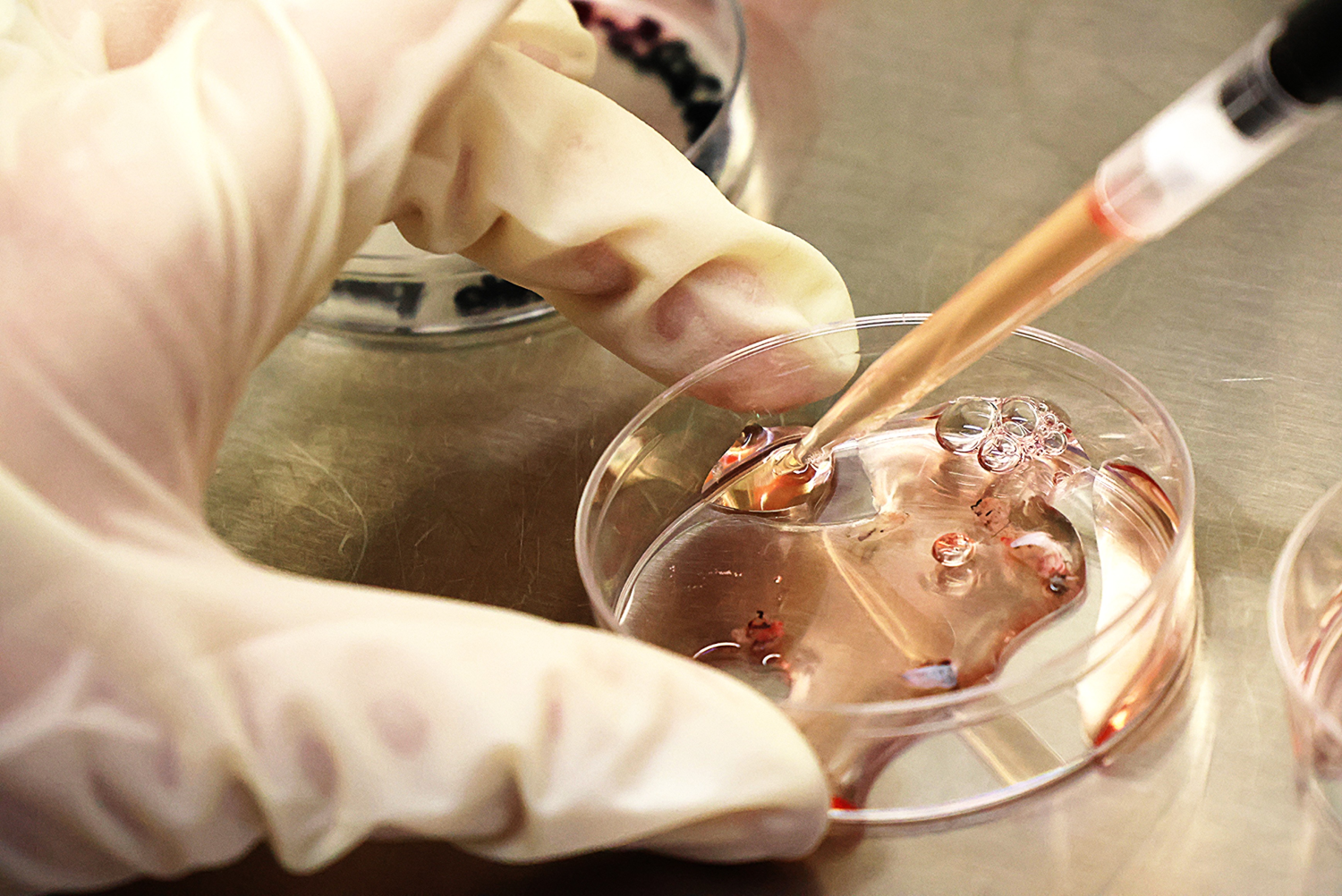
Tissue from an endangered species is placed in a growth medium, allowing the cells to grow and multiply into the dish, forming a primary culture.
Biobanking refers to the collection, storage and management of biological samples such as DNA, tissues, reproductive and even skin cells from animals. Once extracted, these samples are frozen and stored in temperature-regulated freezers, creating a biological “safety net” for these species.
More than just functioning as a scientific archive, biobanking is a powerful conservation tool, allowing researchers to study the genetic makeup of animals from these samples, without having to approach them in the wild.
“Every sample banked is a crucial piece of a species’ survival puzzle,” says Dr Oz Pomp, who heads biobanking efforts at Mandai Nature. “It means that even if a population declines, we still have the genetic building blocks to help restore its diversity.”
Biobanking genetic materials enables conservationists to:
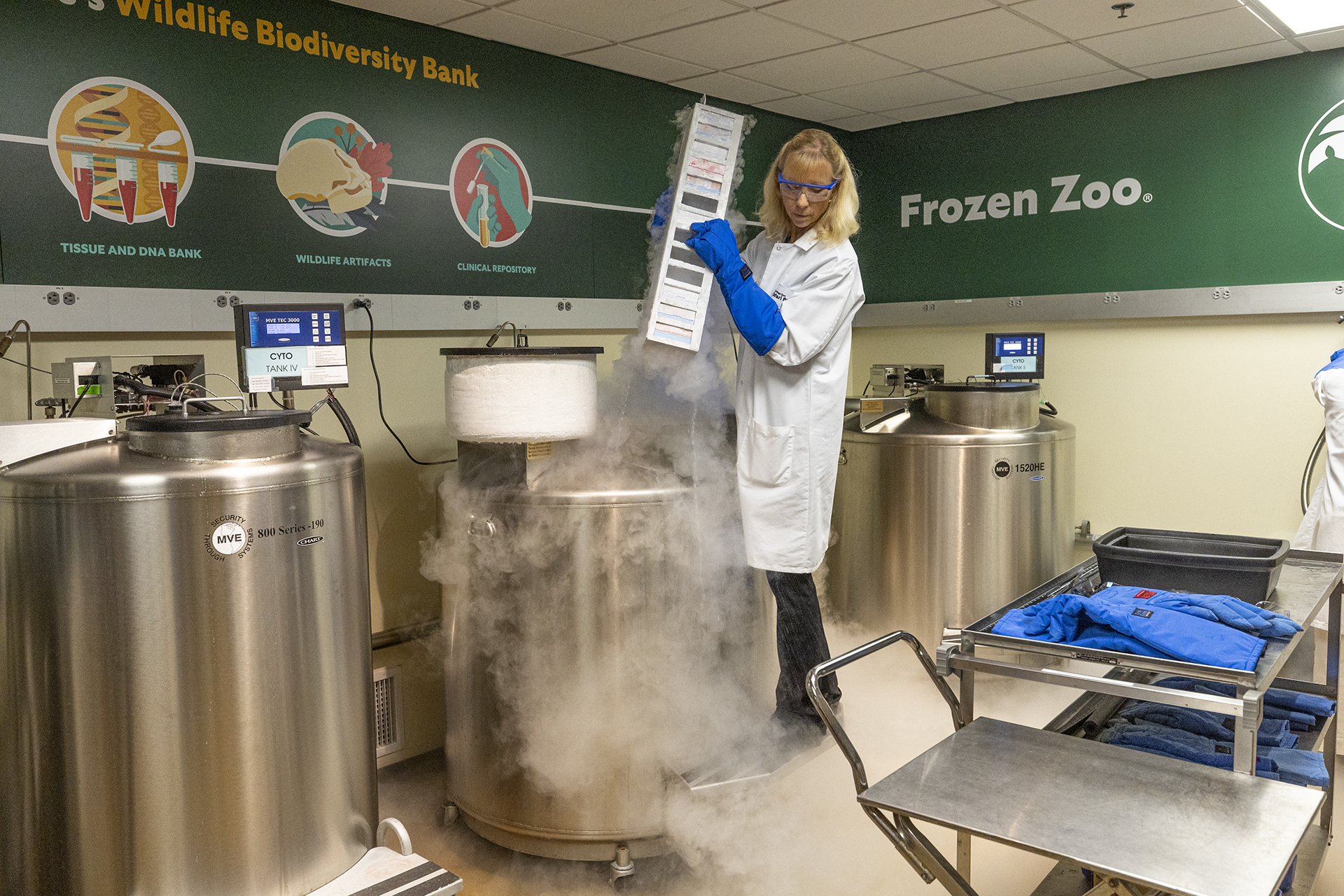
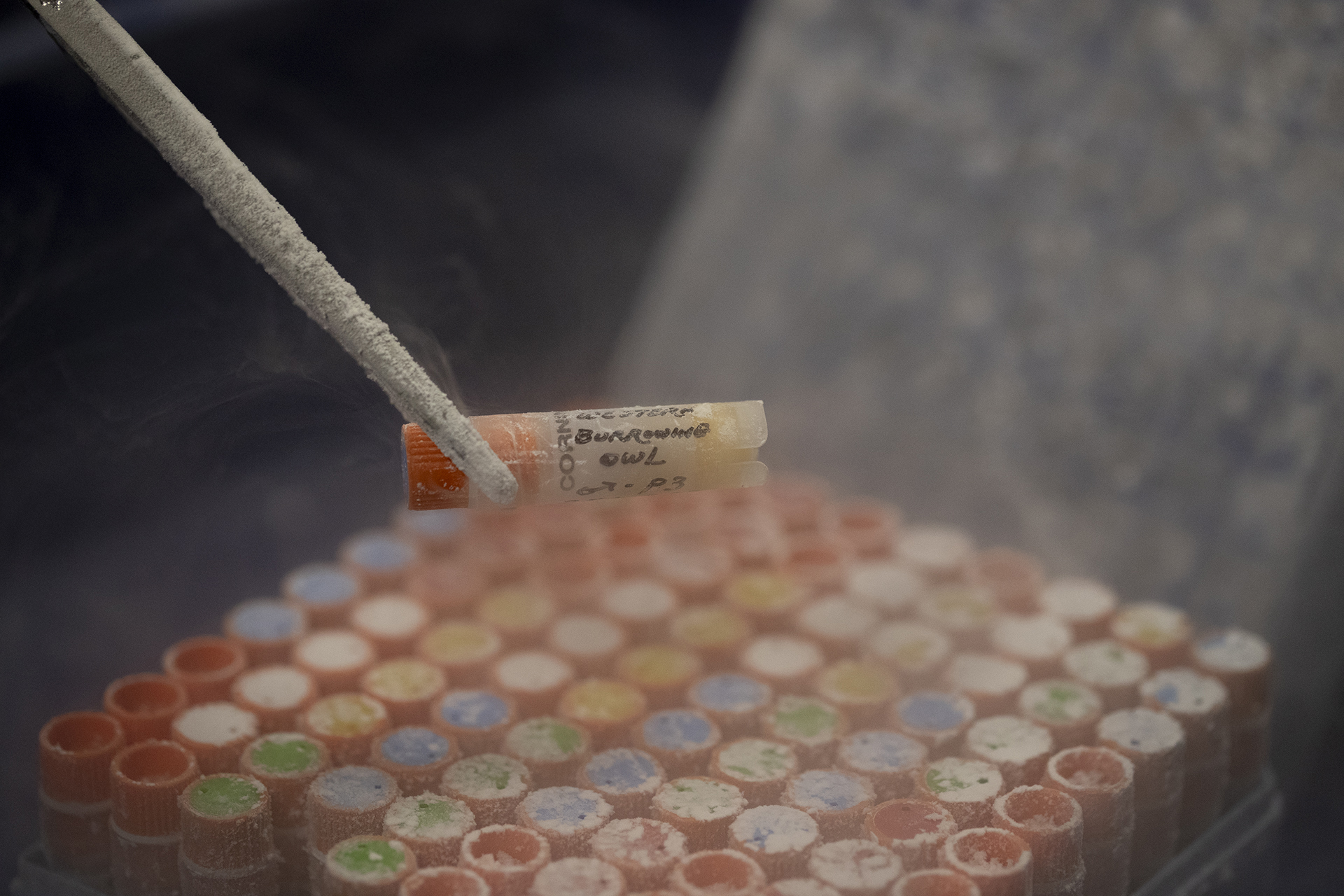
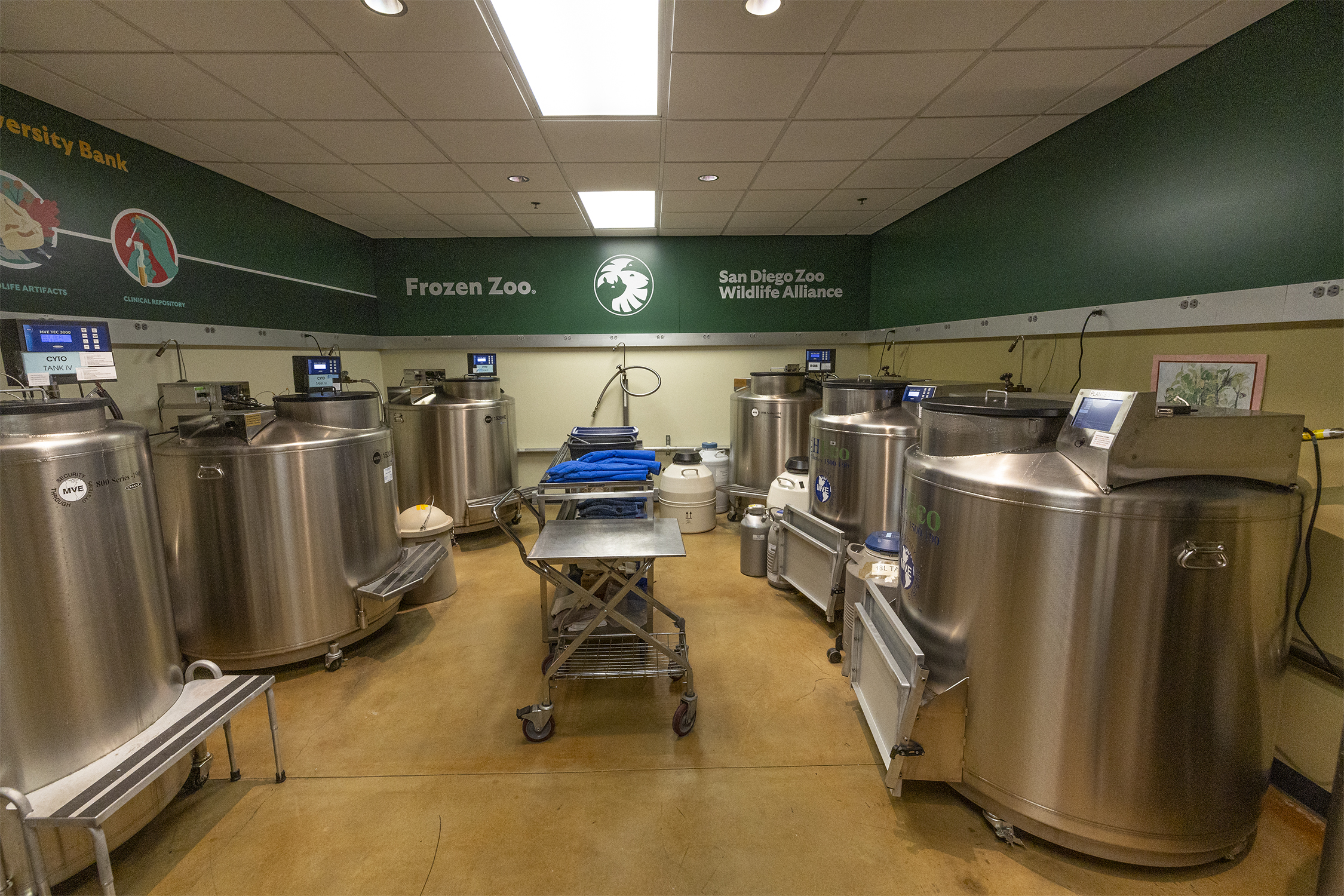
Cryopreservation involves storing biological material in liquid nitrogen at -196 degrees Celsius. Under these conditions, cellular and molecular activity is effectively halted, allowing the biomaterials to maintain viability for many decades.
One of the most wide-scale examples comes from San Diego Wildlife Alliance’s Frozen Zoo®, which was established in 1975. It is the world’s largest and most diverse collection of living cell cultures, holding over 11,500 genetic samples from over 1,300 species. The Frozen Zoo has contributed to conservation breakthroughs including the 2020 cloning of a Przewalski’s horse from cells frozen in 1980, preserving the much-needed genetic diversity of the world’s last true wild horse.
Southeast Asia is home to some of the world’s most threatened species, and Singapore is paving the way for the region’s own frozen genetic repository. In 2012, Mandai Nature and Mandai Wildlife Group began building its biobank as part of joint reproductive and research efforts. Today, it has gradually expanded to include samples from over 90 species.
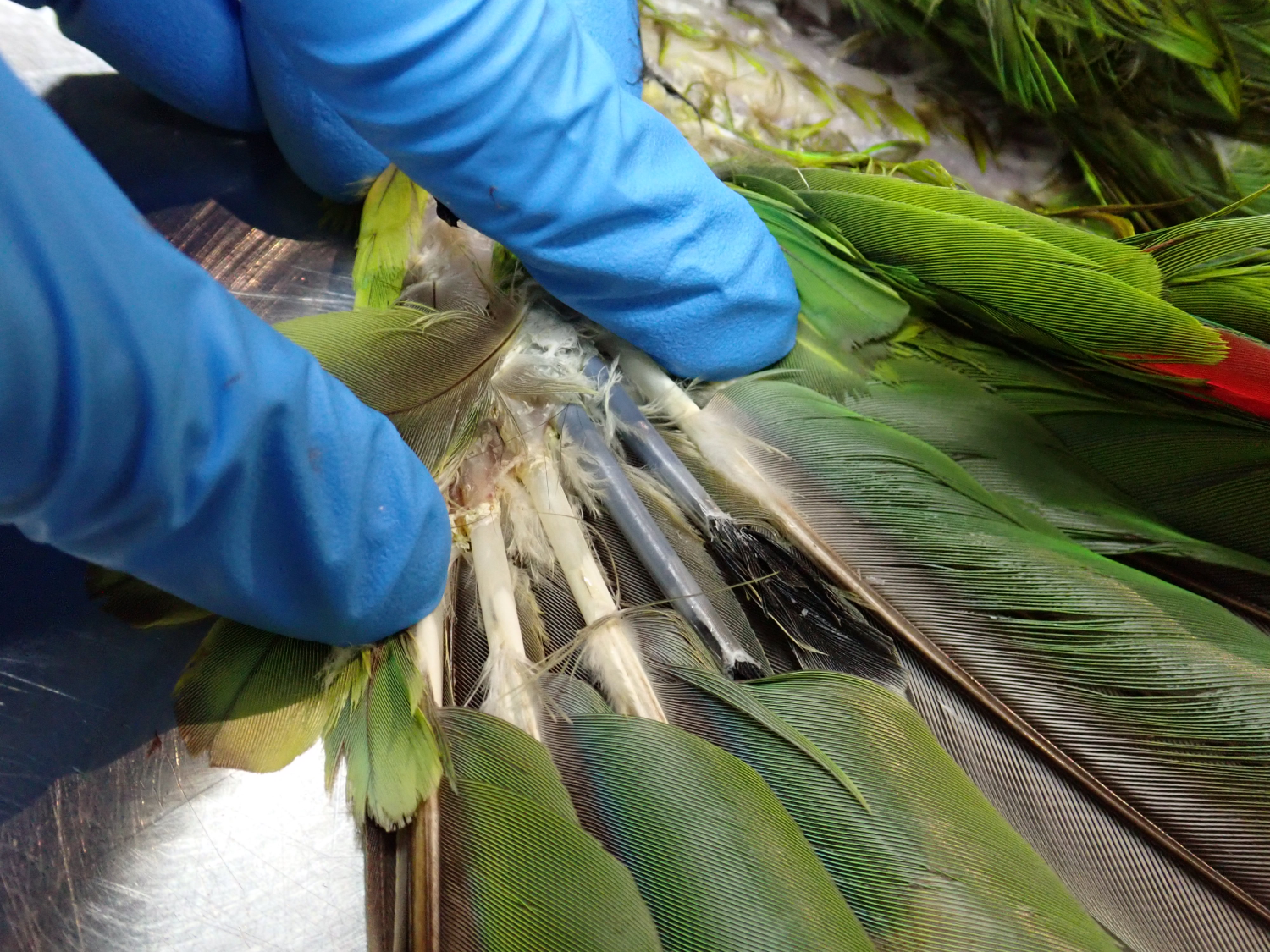
Pin feathers, collected from birds using non-invasive methods, are an excellent source for researchers to extract cells for biobanking.
In January this year, Mandai Nature achieved a breakthrough when they successfully banked the live cells of 10 bird species, including the critically endangered Bali myna. This marked the first time non-mammal cells had been banked in Singapore.
“This milestone demonstrates the potential of biobanking in securing the future of not just mammals, but birds and other species as well. It opens doors to new possibilities for conservation in Southeast Asia,” says Dr Pomp.
One species benefitting from our biobanking work is the Sunda pangolin – one of the world’s most trafficked animals. In Singapore, the pangolin’s biggest threat is road traffic, with around 30 rescued individuals arriving at Mandai Wildlife Group’s Wildlife and Healthcare Research Centre every year.
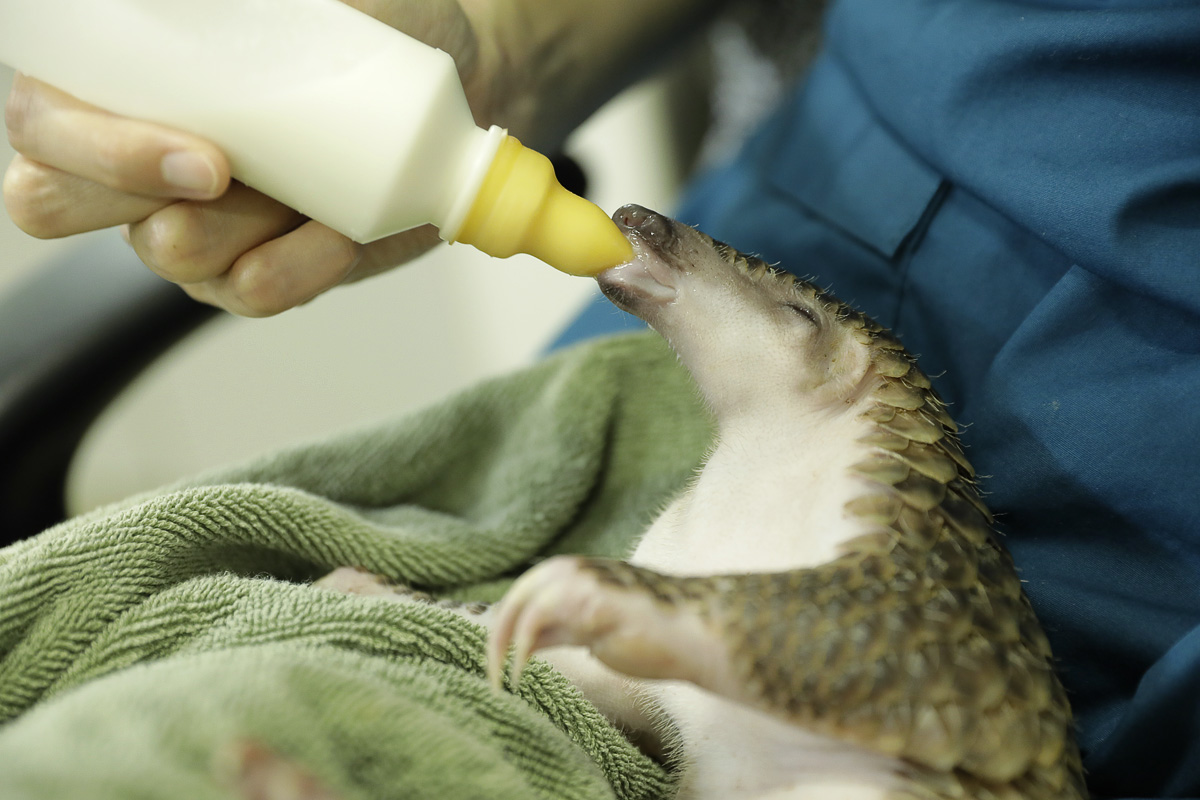
A rescued pangolin is hand-raised by the veterinary team on its way to being nursed back to health.
While many are rehabilitated and released back into the wild, each rescue also provides a chance to bank vital genetic material. Mandai Wildlife Group’s veterinary healthcare team has collected gamete samples from male pangolins, storing them in vials in cryogenic tanks at -200 degrees Celsius. They now have samples from 38 individuals, but the goal is to build capacity for use in future artificial insemination programmes.
In addition, skin cells from pangolins killed in traffic accidents have also been collected to grow fibroblasts (a type of biological cell which can be activated into stem cell, potentially forming an embryo when introduced into an egg).
While natural breeding is preferred, biobanking gives conservationists one more tool in the multi-approach fight against species extinction. “By building up a bank of these samples, we can avoid that ‘too little too late’ scenario, where we’re down to the last few individuals,” says Dr Sonja Luz, CEO of Mandai Nature. “If we started banking earlier, species like the Yangtze giant softshell turtle or the saola would have a better chance of survival.”
Biobanking has been recognised as a key component of the One Plan Approach, a global conservation framework integrating both strategies for populations in the wild and under human care. To strengthen international collaboration, the IUCN Species Survival Commission established the Animal Biobanking for Conservation Specialist Group in 2023 – bringing together members from 22 institutions, including Mandai Nature, to coordinate global efforts in collecting, banking and sharing these key genetic resources.
“Collaboration is key,” emphasises Dr Luz. “By sharing resources and knowledge across borders we have a much better chance of turning the tide for wildlife.”