Search
What would you like to search for?

As the world’s natural habitats and wildlife populations face escalating threats, the need for innovative species conservation strategies has never been more urgent. Traditional conservation methods are no longer sufficient to address the complex challenges facing threatened species.
Now, more than ever, protecting our planet’s most at-risk species requires a shift towards a collaborative and coordinated approach that brings together diverse stakeholders to formulate and execute effective solutions.
Enter the One Plan Approach, a holistic integrated method that brings together everyone involved in conservation – from scientists, field researchers and wildlife managers to conservationists, government agencies, zoos, aquariums, and local communities. By working together from the outset, the One Plan Approach helps ensure that conservation actions are well-coordinated and aligned, maximising the impact on species preservation.
The traditional approach to species conservation followed two separate tracks:
However, it became clear that integrating these two approaches more closely was essential to achieving long-term impact and success.
Developed by the IUCN SSC Conservation Planning Specialist Group (CPSG), the One Plan Approach fosters collaboration by bringing together key stakeholders like governments, conservation organisations, researchers together, to create a unified, comprehensive strategy that bridges the gap between wild and populations in human care. By aligning efforts across all levels, it ensures coordinated action and a shared agreement that immediate intervention is necessary to reverse species population declines.
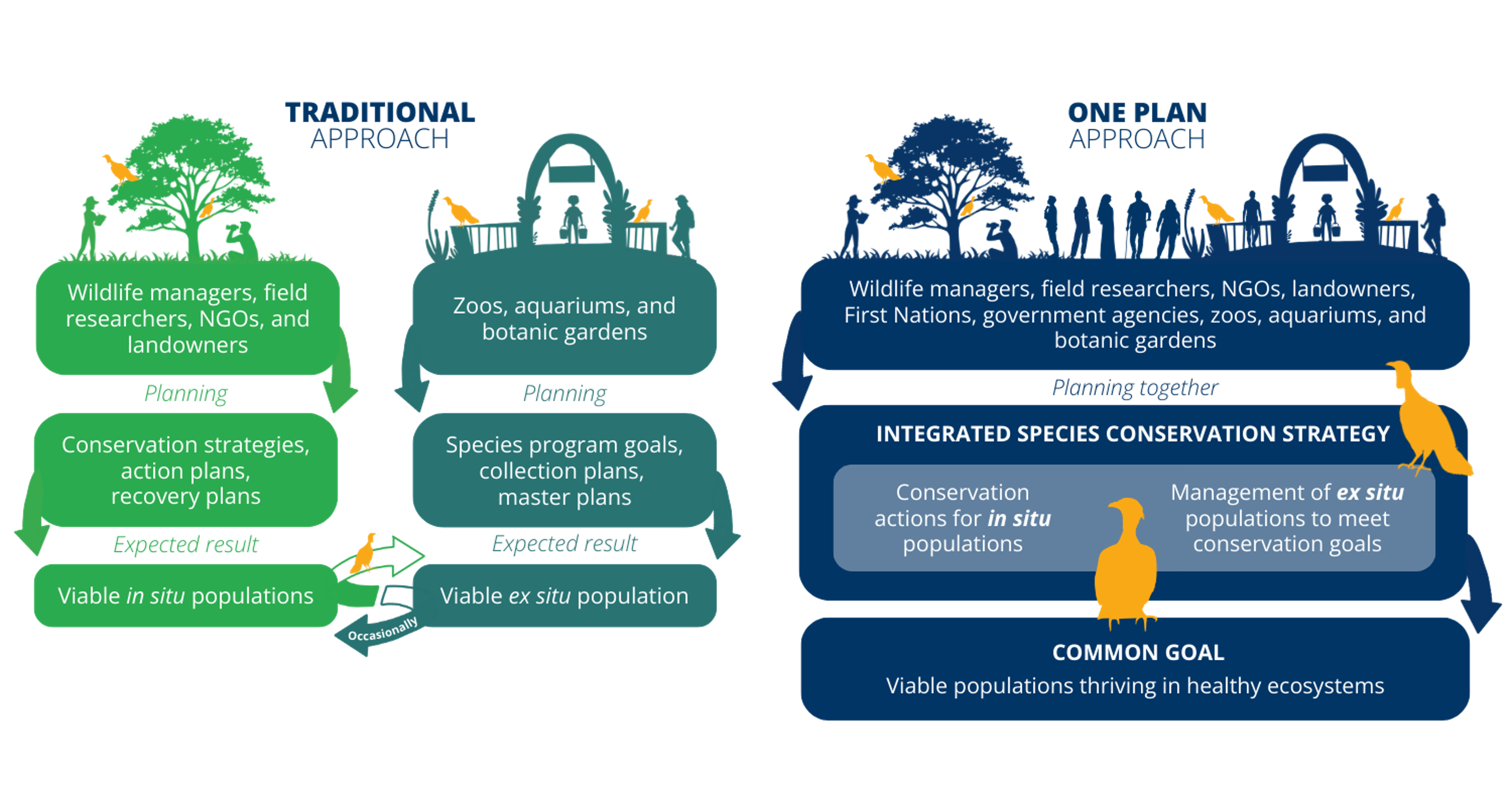
Comparing the traditional approach to species conservation planning with the integrated One Plan Approach which combines in situ and ex situ methods.
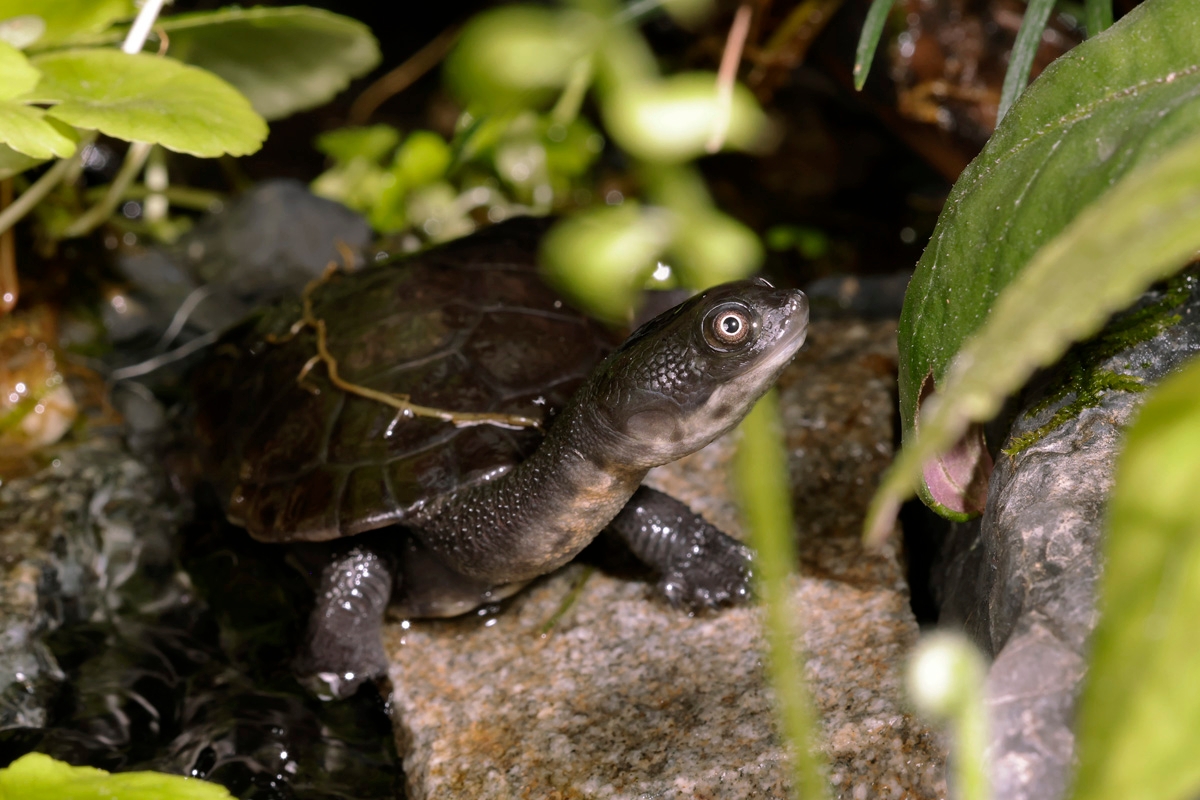
A Rote snake-necked turtle hatchling in the Singapore Zoo.
The conservation journey of the Critically Endangered Rote snake-necked turtle stands as a testament to the power of the One Plan Approach in action.
One of the world’s most threatened freshwater turtle species, the Rote snake-necked turtle has not been seen in its natural habitat on Rote Island since 2009, leading researchers to believe it may be extinct in the wild. The road to safeguarding their future began in 2012, when East Nusa Tenggara Conservation Agency, Wildlife Conservation Society – Indonesia Program (WCS Indonesia) and Mandai Wildlife Group began conversations on the potential of reintroducing the turtles to their native habitats.
This collaboration led to the establishment of an insurance colony for the species in Singapore Zoo, the first of its kind in Asia, in 2015. That year, 23 turtle hatchlings from breeding programmes in the United States of America and Europe were brought to Singapore Zoo.
Meanwhile, in Kupang, East Nusa Tenggara, Mandai Nature (the conservation arm of Mandai Wildlife Group) supported the construction of a breeding facility which was completed in 2020. The facility runs head-starting programmes for the turtles, with the ultimate goal of reintroducing them into the wild. Headstarting is a conservation technique for threatened species where they are raised from egg development to later life stages under human care to increase their chances of survival.
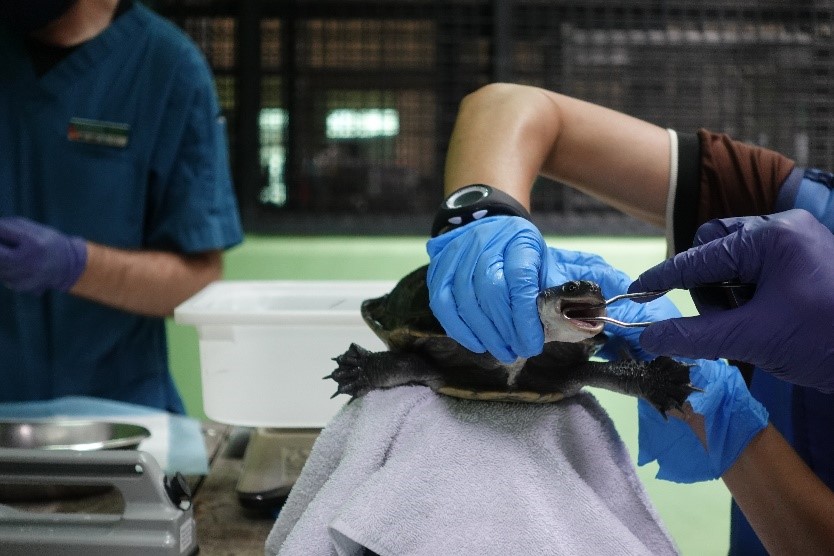
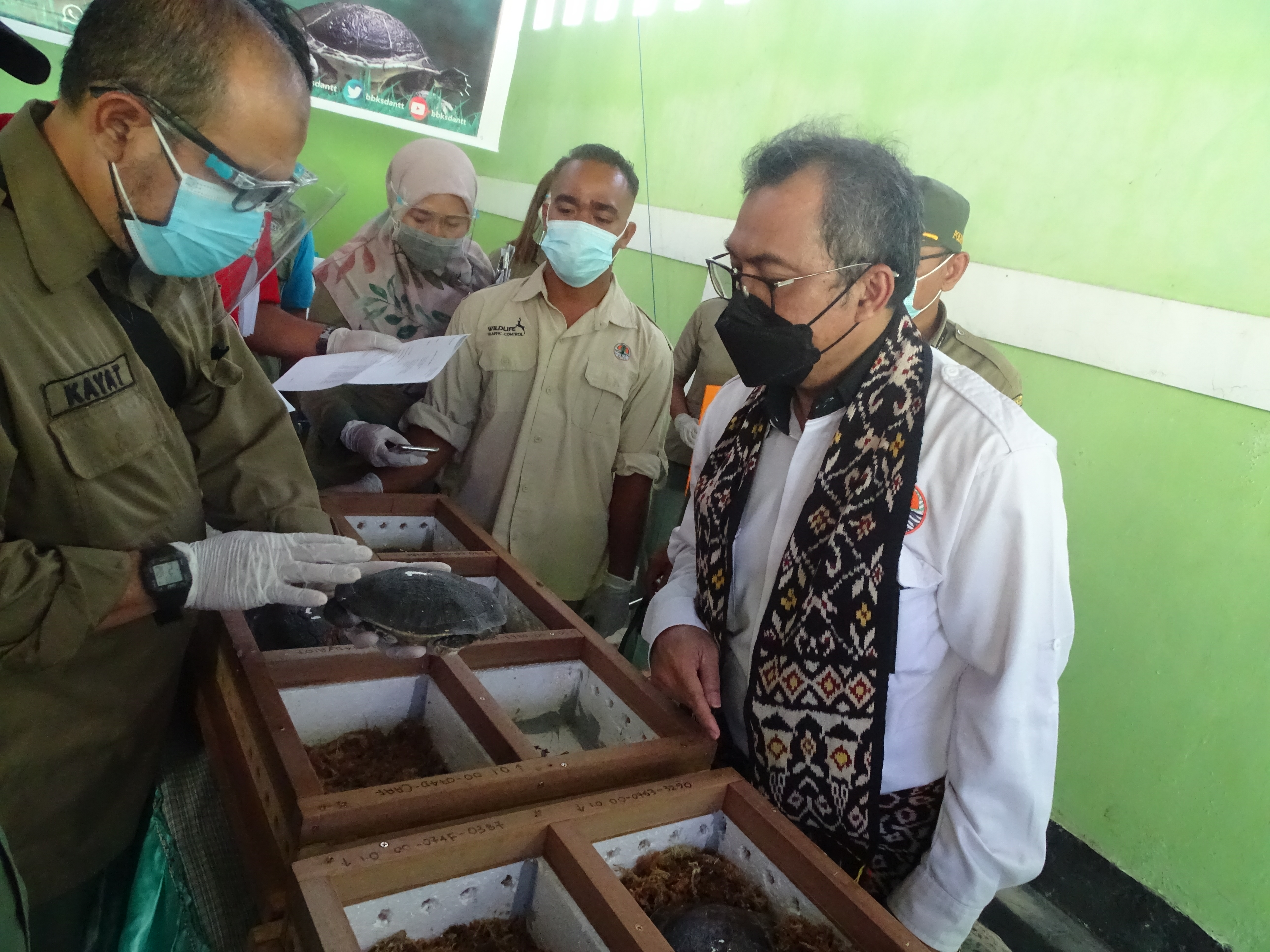
A significant milestone was reached for the conservation of the species in September 2021 when 13 turtles were successfully repatriated from Singapore Zoo to Indonesia in a groundbreaking effort led by the Ministry of Environment and Forestry of the Republic of Indonesia (MOEF) and East Nusa Tenggara Conservation Agency. Upon their arrival, the turtles were transferred to the breeding facility in Kupang, where they formed the first structured conservation breeding programme for the species in their native country.
A second repatriation took place in August 2023, with 33 additional turtles – originally from Bronx Zoo – sent to the Kupang facility managed by East Nusa Tenggara Conservation Agency and WCS Indonesia. Much of the focus is on building a healthy population in human care to support reintroduction efforts. Since the repatriation, the teams have observed successful nesting in Kupang of the turtles from the first repatriation, which resulted in hatching success, marking progress in the breeding programme.
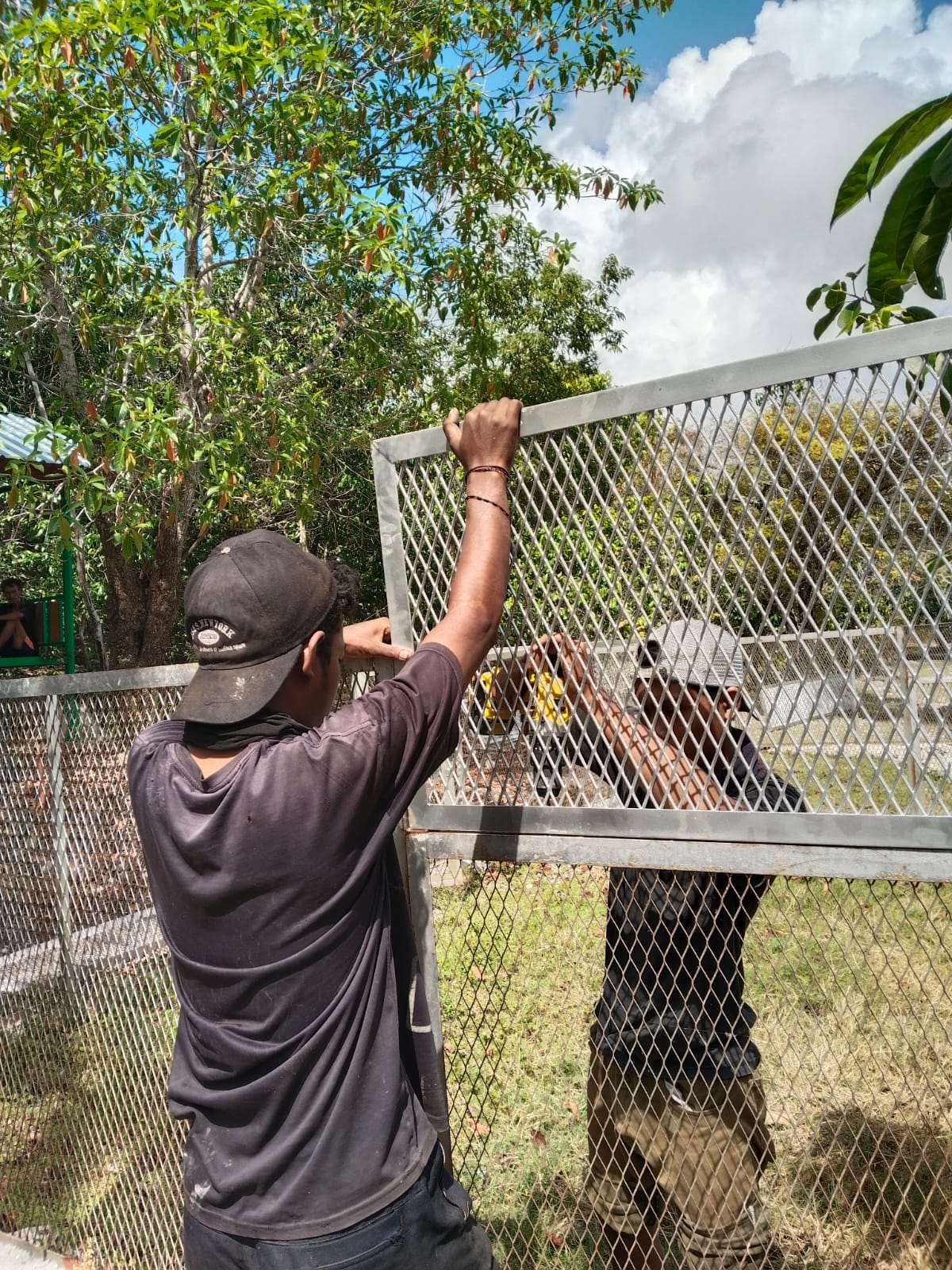
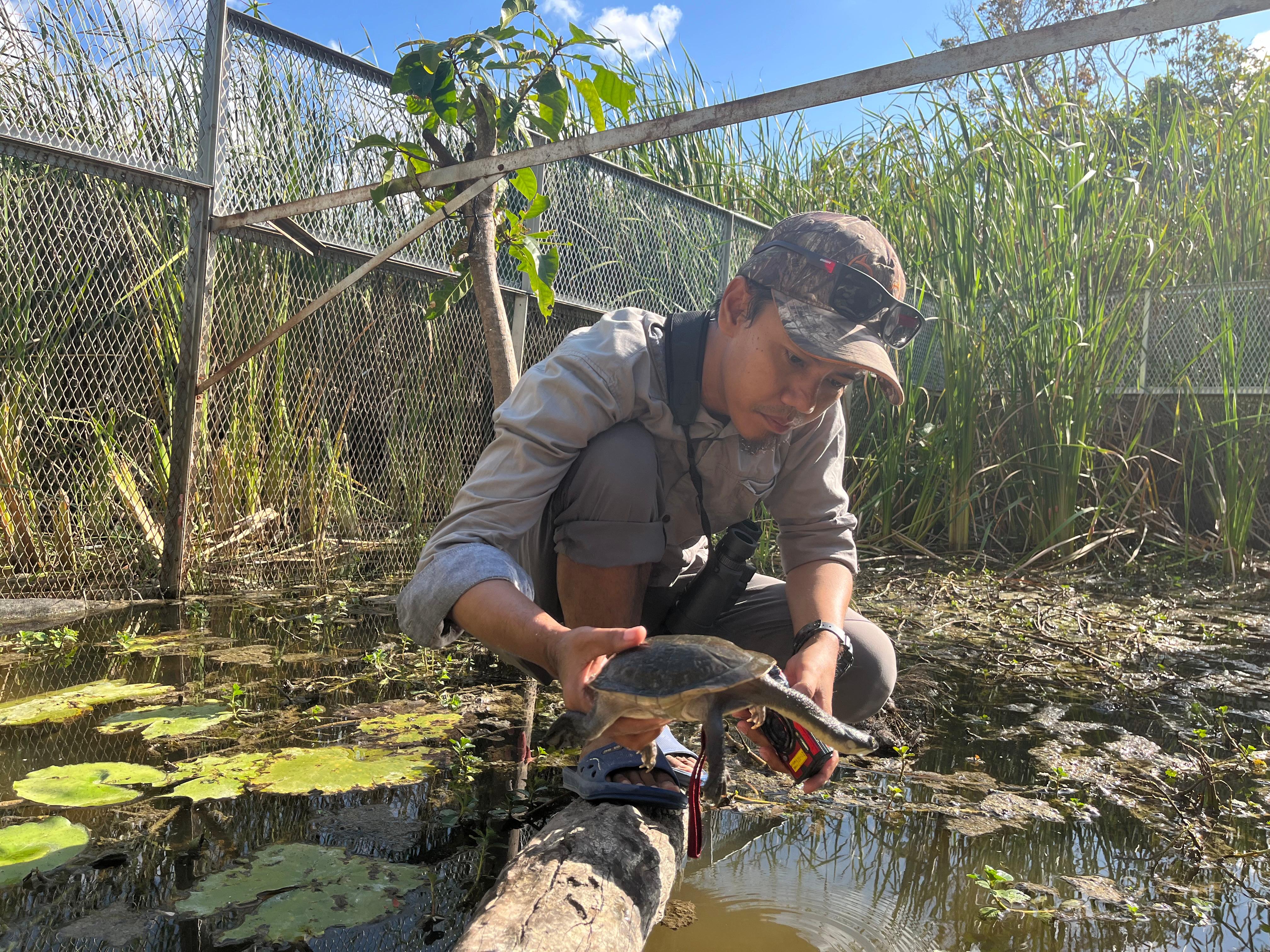
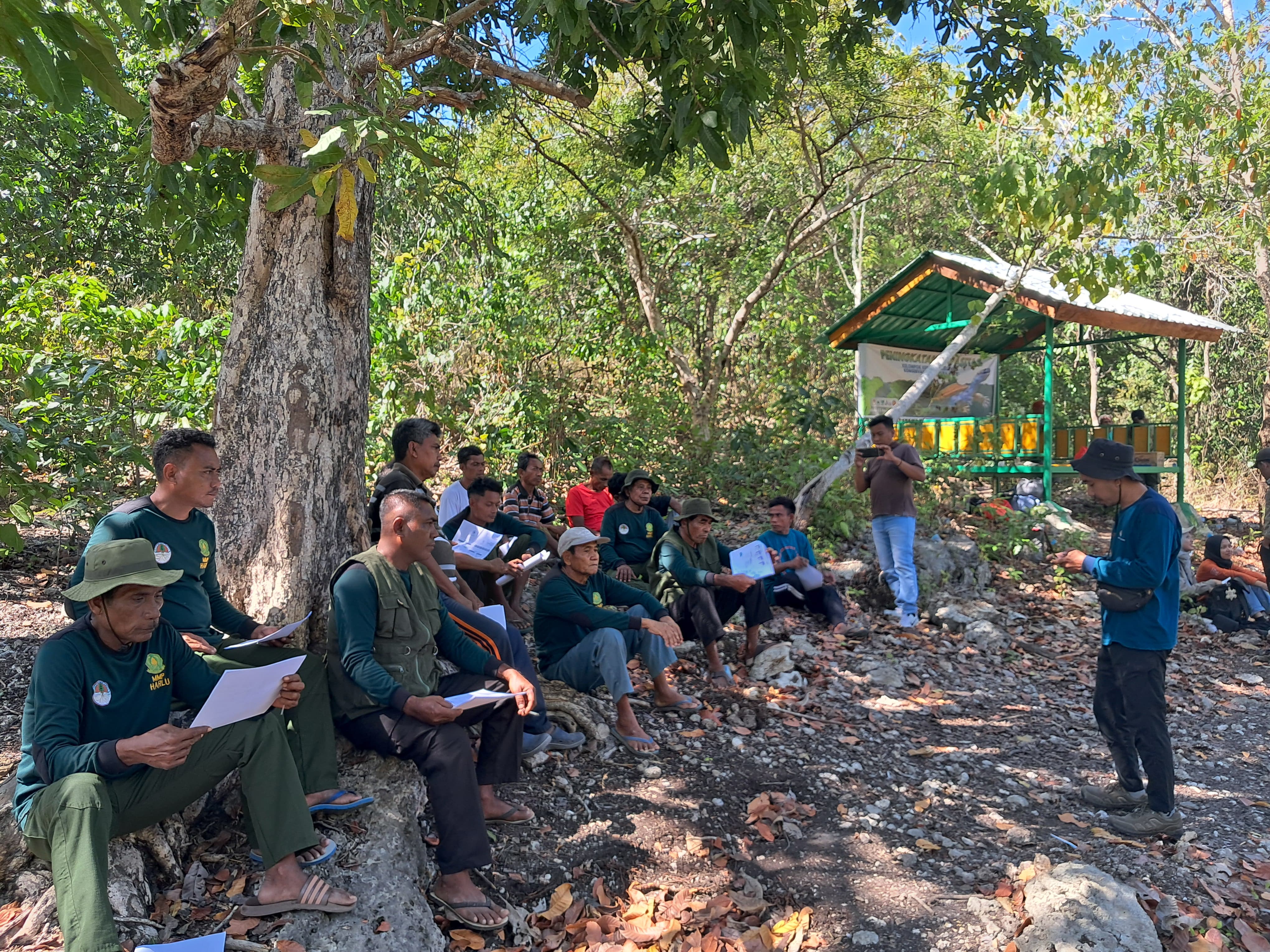
Mandai Nature continues to actively collaborate with WCS Indonesia on their in situ conservation measures on Rote Island with East Nusa Tenggara Conservation Agency. In preparation for the turtles’ reintroduction to the wild, the WCS team is developing guidelines and long-term monitoring protocols to track post-release progress. The team is also engaging local communities, involving them in climate-smart agriculture and habitat management initiatives such as regular water quality monitoring and patrols, ensuring the communities have a vested interest in the success of the turtles’ future.
The case of the Rote snake-necked turtle demonstrates how conservation is most effective when various stakeholders – government agencies, zoological institutions, conservation organisations – work together toward a common goal. The complex but well-coordinated plan involved key partnerships aimed at repopulating the species on Rote Island in Indonesia. This effort brings together the Bronx Zoo, AZA’s Species Survival Plan (a cooperative breeding programme involving several AZA-accredited zoos), Mandai Wildlife Group and Mandai Nature.
The One Plan Approach represents a transformative shift in species conservation work, aligning efforts and fostering collaborations, ultimately paving the way for a more sustainable and biodiverse future that all of us can contribute to.