Search
What would you like to search for?

At Mandai Nature, our purpose is to see a sustainable world where wildlife and people thrive together in healthy ecosystems.
This purpose is even more critical in a time when human-induced climate change has devastated our planet’s biodiversity and ecosystems. Global temperatures have rose 1°C from 1901 to 2020 but beyond rising temperatures, climate change has led to extreme changes in weather patterns, increase in sea levels and much more. All of this has led to disruption in nature, affecting the lives of people around the world.
Protecting the nature around us is the key to stabilising the adverse effects of climate change. After all, well-functioning and healthy ecosystems are more effective in withstanding the impacts of climate change and can provide us with critical services such as clean water, food and shelter. To do that, we need to drive Nature-based Solutions (NbS) – which focuses on protecting, sustainably managing and restoring our ecosystems, while also ensuring that these measures mitigate climate change through carbon reduction, and address the needs of the local communities and indigenous peoples that live alongside nature.
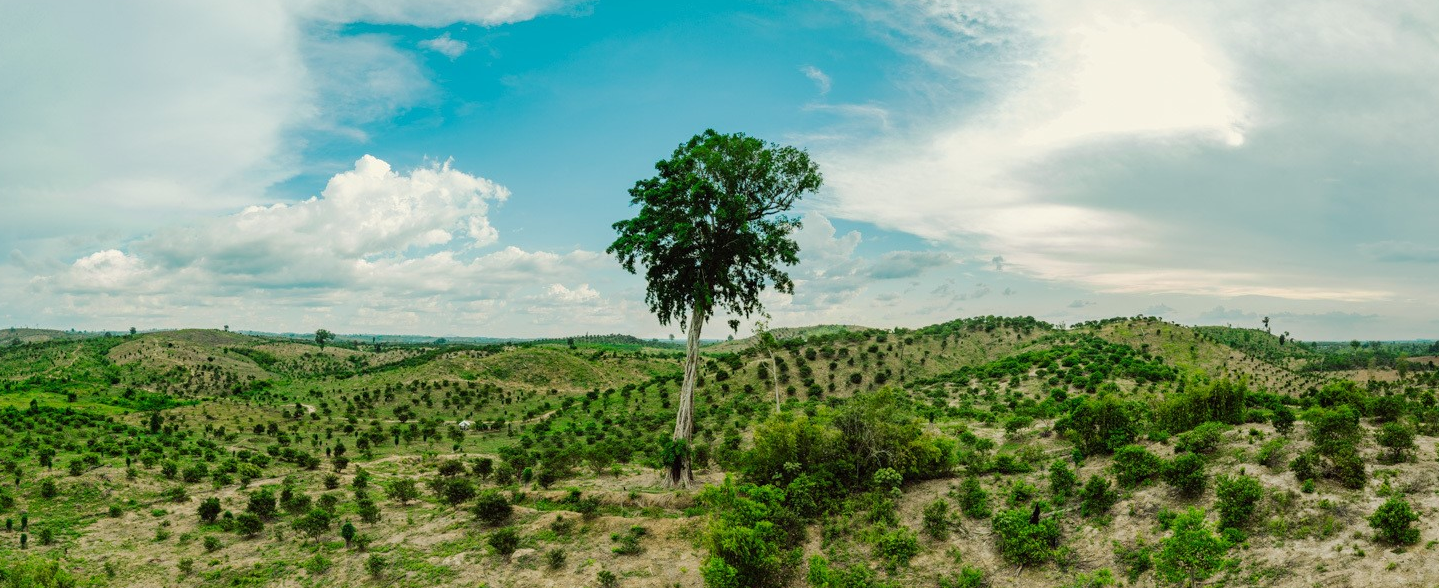
The need to harness nature’s potential is becoming increasingly crucial, especially in Southeast Asia. The region accounts for 15% of the world’s tropical forests, 35% of coral reefs, 25 million hectares of peatland and many more uniquely biodiverse ecosystems. Inextricably linked to these ecosystems are also the indigenous people and local communities who live and coexist within. Yet Southeast Asia also faces the highest threats to ecosystems with an annual loss of 1% of its tropical forests. The protection and restoration of these unique habitats have a high potential to mitigate climate change, benefit communities, as well as provide other ecosystem services such as clean air and food.
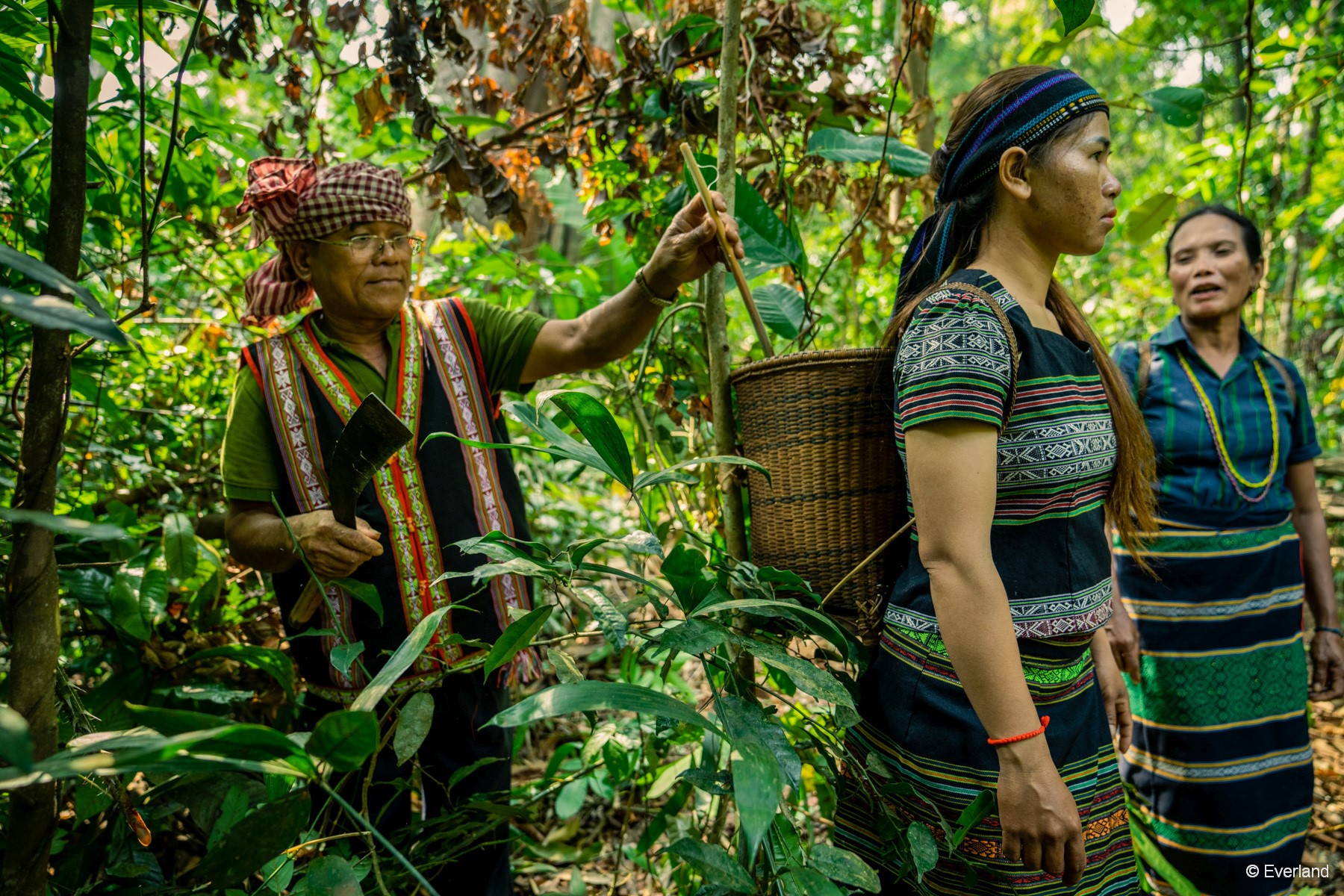
In fact, some of these solutions have already been set in motion. The Keo Seima Wildlife Sanctuary REDD+ Project in Cambodia, supported by Wildlife Conservation Society, is one of the largest carbon emissions reduction programme in Cambodia’s land use sector. The project has avoided 17.4 million tons of CO2 emissions over the next 10 years, covering 167,000 hectares of protected dense forest. Being the ancestral land of the indigenous Bunong peoples, the programme has also positively impacted 13,000 people across 20 villages. An area with high biodiversity value, it is home not only to critically endangered species like the Black-shanked Douc and Yellow-cheeked Crested Gibbon, but also one of the largest remaining populations of Asian Elephants in the Lower Mekong.
While projects like these are encouraging, change at this pace and scale can only be realised when different stakeholders – governments, businesses, non-profit organisations –combine resources and collaborate effectively to take action.
On 23 August 2022, Google.org, Google’s philanthropy arm, provided a US$1 million grant to Mandai Nature, in support of the Southeast Asia Climate and Nature-based Solutions (SCeNe) Coalition to deliver high-quality NbS projects in Southeast Asia with ‘triple benefits’ for climate, nature and people. Along with Mandai Nature, the SCeNe coalition comprises eight locally based environmental and conservation non-profits across Southeast Asia, namely BirdLife International, Conservation International, IDH-the Sustainable Trade Initiative, The Nature Conservancy (TNC), Wildlife Conservation Society (WCS), WWF-World Wide Fund For Nature, Singapore, and Yayasan Institut Sumber Daya Dunia (WRI Indonesia).
With this funding, the Coalition will be able to start delivering on projects that will drive investment into climate mitigation through NbS in the region. Firstly, the Coalition will develop an online tool to map out key geographies in Southeast Asia with high-impact opportunities for NbS projects. The tool will be able to identify priority areas such as those with climate mitigation benefits, intact ecosystems like forests and peatlands, Key Biodiversity Areas with populations of critically important species and habitats, areas more resilient to climate change and require livelihoods support, and many more.
The Coalition will also map out ongoing NbS projects in an integrated open-source platform, showcasing a portfolio of regional projects across geographies, scale, carbon credit potential, risk profiles, types of carbon, nature positive benefits, human prosperity benefits, and project maturity stages. This information will not only demonstrate how high quality NbS projects can be identified, but also how they can be developed for maximum impact and transparently monitored. Additionally, the Coalition will publish these insights in a report to provide guidance and recommendations that will accelerate the implementation of and investment in NbS in the region.
The Coalition was convened in 2020 with the aim to build on the experience of its member organisations and collectively address the challenges of identifying the best opportunities for NbS in Southeast Asia. With Google’s support, the Coalition is now able to take this work to scale and get started on these exciting and impactful workstreams. The beta version of the mapping tool will be launched in January 2024 and till then, we look forward to working closely with all Coalition partners to bring this to life.